
7 Key Rights of Migrant Families in Spain Explained

More than 50 percent of American and other non-European families in Spain face uncertainty while trying to secure legal residency and protect their children’s future. With complex rules and strict deadlines, staying compliant is more than just paperwork. This guide explains the practical steps and key requirements you need to understand your rights, navigate Spain’s legal system, and keep your family safe and settled.
Table of Contents
- 1. Understanding Residency and Registration Requirements
- 2. Right to Family Reunification in Spain
- 3. Accessing Healthcare Services for Migrant Families
- 4. Educational Rights for Migrant Children
- 5. Legal Support and Protection Against Discrimination
- 6. Social Benefits and Public Assistance Eligibility
- 7. Steps to Secure and Renew Residency Permits
Quick Summary
| Key Insight | Detailed Explanation |
|---|---|
| 1. Obtain Your Residence Permit Promptly | Apply for the appropriate residence permit within 30 days of arrival to avoid legal issues. |
| 2. Secure Family Reunification Rights | Legal residents can apply to reunite immediate family members by meeting specific criteria. |
| 3. Access Healthcare Services | Ensure you understand the registration procedure to access healthcare services for your family. |
| 4. Understand Educational Rights | Migrant children in Spain have the right to free education and additional support for integration. |
| 5. Know Your Legal Protections | Familiarize yourself with legal rights and pathways to address discrimination or rights violations. |
1. Understanding Residency and Registration Requirements
Navigating Spain’s legal residency landscape requires understanding the fundamental requirements that transform you from a visitor to a legal resident. For non-European migrants, obtaining the correct residence permits is not just a bureaucratic formality but a critical step in establishing your life in Spain.
Living legally in Spain shouldn't be difficult.
View services and pricesNot sure which procedure you need? Find out in 2 min
Questions? Message us on WhatsApp
The process begins with obtaining the appropriate residence permit based on your specific situation, whether you are a student, worker, or family member. These permits are typically valid for one year and renewable, provided you continue to meet the original conditions that qualified you for residency.
Key registration requirements involve submitting essential documents to provincial immigration offices. This includes proof of admission to official institutions, comprehensive health insurance, and personal identification. Non-EU migrants must also secure their foreign identification number (NIE) and residence card (TIE) within specific timelines after arriving in Spain.
For students and long-term visitors, the registration process is particularly time sensitive. Non-EU migrants must begin their residence card application within 30 days of arrival to maintain legal status. This involves scheduling appointments, submitting detailed documentation like forms EX-17 and MOD 790 012, and providing fingerprints.
The NIE number serves as a crucial administrative identifier, essential for opening bank accounts, signing rental agreements, and accessing various services. Understanding and completing these requirements systematically can significantly smoothen your transition and legal integration in Spain.
Pro tip: Schedule your immigration appointments well in advance and compile all required documents meticulously to avoid potential delays in your residency processing.
2. Right to Family Reunification in Spain
Family reunification represents a fundamental human right that allows migrant families to maintain their unity and build a stable life in Spain. For non European migrants legally residing in the country, this process provides a structured pathway to bring immediate family members together under one roof.
Under Spanish immigration regulations, migrants with established residency can apply for family reunification by demonstrating specific eligibility criteria. These requirements include proving stable residence status, sufficient income to support additional family members, and providing suitable housing accommodations.
The right to family reunification is particularly significant for asylum seekers and refugees. These individuals can request protection and legal entry for their immediate relatives, ensuring that families separated by challenging circumstances can reconnect and rebuild their lives in a safe environment.
Key eligibility typically includes bringing spouses, dependent children, and in some cases, dependent parents. The application process involves submitting comprehensive documentation to local immigration authorities, including proof of legal status, financial stability, and familial relationships.
Family reunification processes in Spain are designed to support social integration and maintain family unity. The legal framework ensures that family members can receive protection and have clear pathways to establish their new life together.
Pro tip: Gather all required documentation meticulously and consider consulting an immigration specialist to navigate the complex family reunification application process effectively.
3. Accessing Healthcare Services for Migrant Families
Healthcare access is a fundamental right for migrant families in Spain, offering comprehensive medical support regardless of immigration status. Understanding the intricacies of the Spanish healthcare system can help you navigate medical services effectively and protect your family’s health.
Healthcare services for migrants in Spain are designed to be inclusive, providing emergency care and necessary medical treatments to all individuals. Legal residents enjoy full access to the Spanish National Health System, which covers a wide range of medical services from primary care to specialized treatments.
Refugees and asylum seekers receive particular attention in the healthcare framework. The government collaborates with international organizations to ensure that healthcare access remains a priority in asylum and refugee integration policies. This approach recognizes healthcare as a critical component of social integration and personal well being.
To access healthcare services, migrant families must typically complete registration processes that involve providing identification documents and proof of residency. While language barriers and administrative complexities can pose challenges, many healthcare centers offer support services to help non Spanish speaking patients navigate the system.
Key healthcare services available include primary medical consultations, maternal health services, pediatric care, emergency treatments, and specialized medical interventions. Families should proactively understand their specific eligibility and required documentation to ensure smooth access to these essential services.
Pro tip: Carry translated medical documents and learn key healthcare vocabulary to facilitate smoother communication with medical professionals during your healthcare interactions.
4. Educational Rights for Migrant Children
Every migrant child in Spain has a fundamental right to quality education, regardless of their immigration status or background. The Spanish educational system is designed to be inclusive, ensuring that children can access learning opportunities that support their academic and social integration.
Policies emphasize inclusive education for migrant children, guaranteeing free and compulsory schooling from primary through secondary levels. These regulations are specifically crafted to eliminate discrimination and provide comprehensive support for children navigating a new educational environment.
Spanish law ensures that migrant children receive additional resources to overcome potential language and social barriers. This includes specialized language support programs, cultural integration initiatives, and tailored educational interventions designed to help students adapt quickly and successfully to the Spanish educational system.
Educational support for migrant children extends beyond basic schooling. European programs like Erasmus+ provide additional opportunities for integration, offering support mechanisms that recognize foreign qualifications and create pathways for continued academic development.
Parents should proactively engage with school administrators, understand enrollment procedures, and seek information about additional support services available for migrant students. This approach helps ensure that children can fully leverage their educational rights and maximize their learning potential in Spain.
Pro tip: Request a preliminary language assessment for your child and inquire about supplemental Spanish language classes to facilitate smoother academic integration.
5. Legal Support and Protection Against Discrimination
Migrant families in Spain are protected by comprehensive legal frameworks designed to safeguard their fundamental rights and prevent discriminatory treatment. Understanding these protections is crucial for ensuring fair and equitable treatment across various aspects of daily life.
Legal protections for migrants in Spain extend across critical areas including employment, education, housing, and public services. These anti discrimination laws provide robust mechanisms for migrants to seek recourse and challenge unfair treatment.
The Spanish legal system offers multiple avenues for addressing potential rights violations. Legal assistance from UNHCR and civil society organizations ensures migrants have access to support mechanisms that can help them navigate complex legal challenges and protect their fundamental human rights.
Key resources include government offices, NGOs, and specialized legal support services that can provide guidance, representation, and advocacy. Migrants facing discrimination can file formal complaints, seek mediation, and pursue legal action to address violations of their rights.
Documenting any discriminatory incidents, gathering evidence, and understanding the specific legal pathways are essential steps in protecting oneself. Proactive engagement with support organizations can help migrant families effectively address potential rights violations and seek justice.
Pro tip: Keep a detailed written record of any discriminatory incidents, including dates, locations, witnesses, and specific circumstances to strengthen potential legal claims.
6. Social Benefits and Public Assistance Eligibility
Spain offers a comprehensive social support system designed to help migrant families establish stability and integrate successfully into Spanish society. Understanding the range of available public assistance can be a crucial lifeline for families navigating their new environment.
Social benefits for migrants in Spain are structured to support individuals based on their residency status and labor market participation. These benefits can include healthcare coverage, unemployment insurance, family allowances, and disability support.
Eligibility for social assistance depends on several key factors, including legal residence duration, social security contributions, and specific family circumstances. Public assistance programs aim to provide safety nets that facilitate economic and social integration for migrant families.
Most social benefits require documented legal residence and proof of income or employment. Long term residents and refugees often qualify for more comprehensive support, including access to family support programs, educational grants, and housing assistance.
To maximize benefit access, migrants should maintain accurate documentation, understand their residency classification, and proactively engage with local social service offices. Regularly updating personal information and understanding changing eligibility requirements is essential for accessing these critical support systems.
Pro tip: Consult local social service centers and maintain organized documentation to streamline your application process for social benefits.
7. Steps to Secure and Renew Residency Permits
Securing and maintaining legal residency in Spain requires careful navigation of administrative processes and strict adherence to immigration regulations. Understanding the precise steps for obtaining and renewing your residency permit is crucial for establishing long term stability in the country.
Residency permit applications must begin immediately upon legal entry into Spain. Non European migrants are required to apply for their residence card (TIE) within 30 days of arrival, which involves scheduling specific appointments and submitting comprehensive documentation.
The initial application process demands several key components: proof of legal entry, valid passport, specific visa type, evidence of financial means, and health insurance documentation. Applicants must attend in person to provide biometric data and complete necessary forms at provincial immigration offices.
Renewal procedures for residency permits are equally structured and time sensitive. Migrants must demonstrate continued eligibility through ongoing employment, student enrollment, or sufficient financial resources. Timely submission of updated paperwork before current permits expire is absolutely essential to maintain legal status.
Should a renewal application face challenges, migrants have the right to appeal decisions through established legal procedures. Maintaining meticulous records, understanding specific requirements for your permit type, and proactively managing documentation can significantly streamline the renewal process.
Pro tip: Create a digital and physical filing system for all immigration documents, setting calendar reminders at least 60 days before permit expiration to ensure smooth renewal processes.
Below is a comprehensive table summarizing key aspects and processes concerning the discussed topics in Spain’s residency, family reunification, healthcare, education, legal rights, and social benefits for migrants.
| Topic | Summary | Key Takeaways |
|---|---|---|
| Residency Requirements | Non-European migrants must obtain and renew residency permits based on their purpose, ensuring compliance with Spanish legal frameworks. | Staying proactive and organized in documentation improves the success of application and renewal processes. |
| Family Reunification | Legal residents can apply to bring immediate family members to Spain by fulfilling stable residency, income, and housing criteria. | Provides stability by allowing families to stay united and support each other. |
| Healthcare Access | Migrants in Spain are entitled to comprehensive healthcare services, including emergency and primary care. | Legal residents enjoy full access, with additional support for refugees and asylum seekers. |
| Educational Rights | All migrant children have the right to inclusive and supportive education within Spain’s public education system. | Specialized resources help children overcome language and social barriers. |
| Anti-Discrimination Laws | Legal protections safeguard migrants from discrimination in employment, housing, and public services. | Documenting incidents can help address and legally resolve discrimination cases. |
| Social Benefits | Residents can obtain healthcare, unemployment benefits, and family allowances, meeting eligibility requirements. | Ensures economic security and aids social integration into the community. |
Simplify Your Residency Journey in Spain with Expert Help
Navigating the complexities of Spanish residency permits and family reunification can quickly become overwhelming. Between tight deadlines for NIE and TIE applications, gathering the right documents, and understanding your eligibility for social benefits or healthcare access, you need a solution that reduces stress and clears up confusion. Many migrant families face delays or risk jeopardizing their legal status due to missed steps or incomplete paperwork.
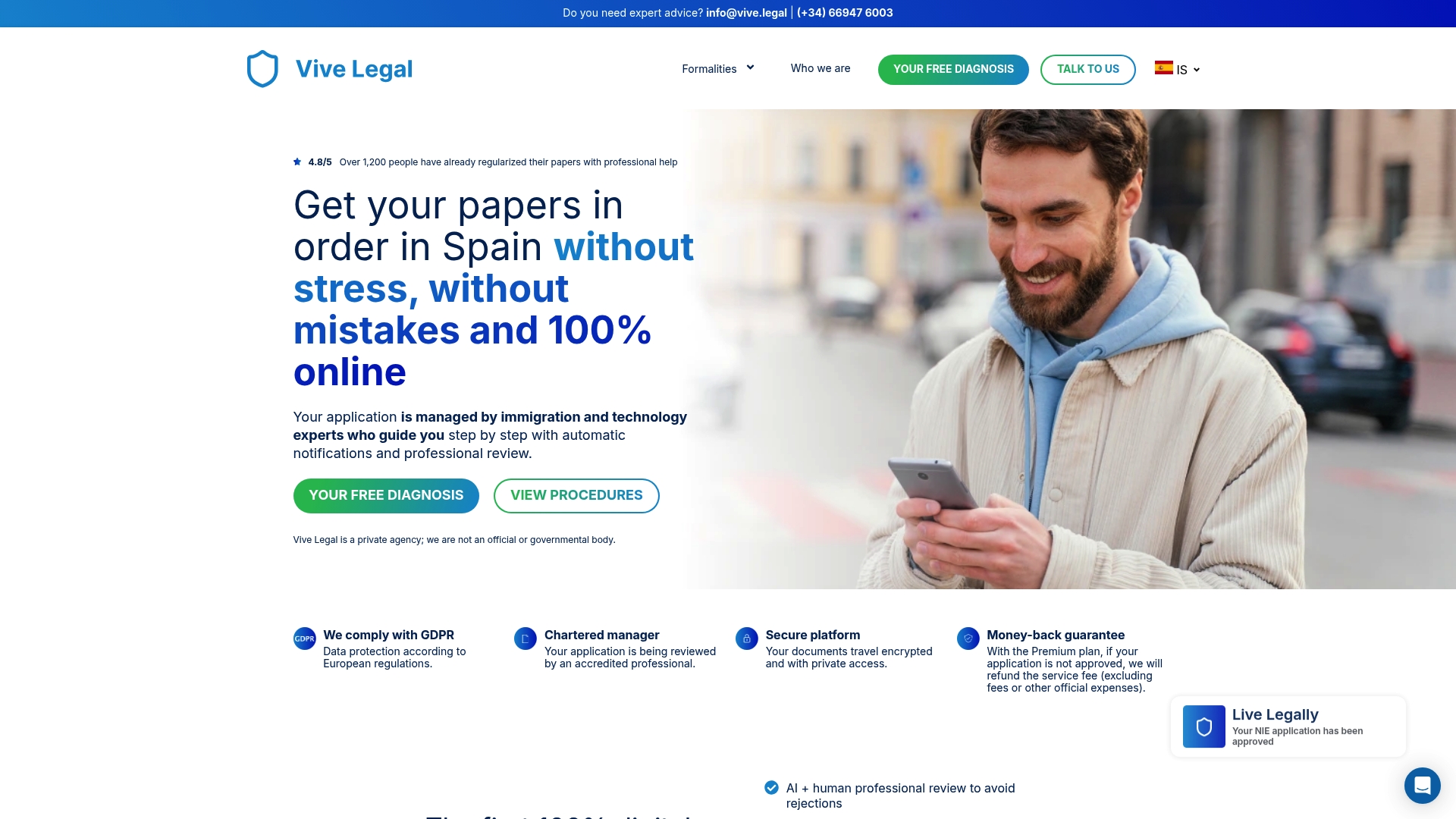
Take control of your immigration process today by trusting Vive Legal, the digital legal consultancy designed for residents like you. With personalized diagnostics, expert document reviews, and seamless appointment scheduling, Vive Legal ensures your residency and family reunification applications comply fully with Spain’s legal requirements. By combining artificial intelligence with professional oversight, you minimize errors and boost your approval chances. Act now to secure your peace of mind and protect your family’s future by managing all your immigration needs online at Vive Legal.
Frequently Asked Questions
What residence permits do migrant families need in Spain?
To legally reside in Spain, migrant families typically require residence permits based on their specific situation, such as student, worker, or family member status. Begin by applying for the appropriate residence permit within 30 days of arrival to meet the legal requirements.
How can migrant families apply for family reunification in Spain?
Migrant families can apply for family reunification by demonstrating stable residency, sufficient income, and suitable housing accommodations. Gather the necessary documentation and submit your application to local immigration authorities to initiate the process.
What healthcare services are available for migrant families in Spain?
Migrant families have access to comprehensive healthcare services, including emergency care and primary medical consultations, regardless of immigration status. Register with healthcare authorities and provide proof of residency to ensure your family can utilize these services effectively.
What educational rights do migrant children have in Spain?
Migrant children have the right to free and compulsory education from primary through secondary levels in Spain. To leverage these rights, parents should engage with school administrators and inquire about the enrollment procedures and available support services for their children.
How can migrant families protect themselves against discrimination in Spain?
Migrant families can protect themselves against discrimination by understanding their legal rights and utilizing available resources for support. Document any incidents and seek assistance from legal aid organizations to address potential violations and seek justice.
What social benefits are available to migrant families in Spain?
Migrant families can access various social benefits, including healthcare coverage, unemployment assistance, and family allowances, depending on their residency status. Maintain organized documentation to apply for these benefits and ensure continued eligibility.
Recommended
Living legally in Spain shouldn't be difficult.
View services and pricesNot sure which procedure you need? Find out in 2 min
Questions? Message us on WhatsApp