
AI in immigration law: streamline your Spain residency

Spain’s immigration system is undergoing a quiet revolution. Artificial intelligence now powers digital platforms that promise to cut processing times and reduce application errors for work permits, visas, and residency documents. Yet recent technical failures reveal the risks of full automation, affecting over 150,000 applicants. Understanding how AI reshapes immigration procedures and when human expertise remains essential can transform your experience navigating Spain’s residency landscape.
Table of Contents
- Key takeaways
- Understanding AI integration in Spain’s immigration system
- Challenges and setbacks in AI-assisted immigration processes
- Legal and ethical considerations of AI in immigration under EU law
- Maximizing AI benefits while navigating Spain immigration with expert support
- How Vive Legal can assist you with AI-powered immigration procedures
- FAQ
Key Takeaways
| Point | Details |
|---|---|
| AI driven processing | Spain uses AI driven digital platforms to speed up work permits visas and residency applications while reducing manual errors. |
| Hybrid oversight essential | Despite automation efficiency human immigration officers still review flagged cases and final decisions rely on judgment. |
| System failures reveal risks | A major system failure affected about 150,000 applicants and exposed risks in fully automated processes. |
| Legal support aids navigation | Legal services help navigate AI assisted applications efficiently. |
Understanding AI integration in Spain’s immigration system
Spain launched its Electronic Register of Immigration Collaborators in March 2026, introducing a fully digital platform for work permits, residence visas, and family reunification applications. This system aims to eliminate traditional paper-based bottlenecks that have frustrated foreign workers and students for years. The platform integrates directly with Spain’s Mercurio and Extranjería databases, enabling real-time verification of applicant information and reducing manual data entry errors.
Living legally in Spain shouldn't be difficult.
View services and pricesNot sure which procedure you need? Find out in 2 min
Questions? Message us on WhatsApp
Eligibility for organizations using this system requires strict prerequisites:
- Minimum two years of documented experience in immigration procedures
- Full GDPR compliance with certified data protection protocols
- Technical infrastructure capable of secure API integration
- Trained staff familiar with both legal requirements and digital workflows
The platform’s AI components analyze application completeness, flag missing documents, and cross-reference data against government records automatically. This automation significantly reduces the time immigration officers spend on routine verification tasks. Processing times for straightforward internship residence applications have dropped from six weeks to under three weeks in pilot programs.
Pro Tip: Check your organization’s registration status in the Electronic Register before submitting applications to avoid processing delays or rejections due to unauthorized intermediary use.
The system’s design prioritizes transparency, allowing applicants to track their case status through secure portals. Automated notifications alert you when additional documentation is needed or when decisions are rendered. For procedures like arraigo social, where documentation requirements are extensive, AI-driven checklists help ensure nothing gets overlooked. The platform also maintains detailed audit trails, creating accountability for both applicants and reviewing officials.
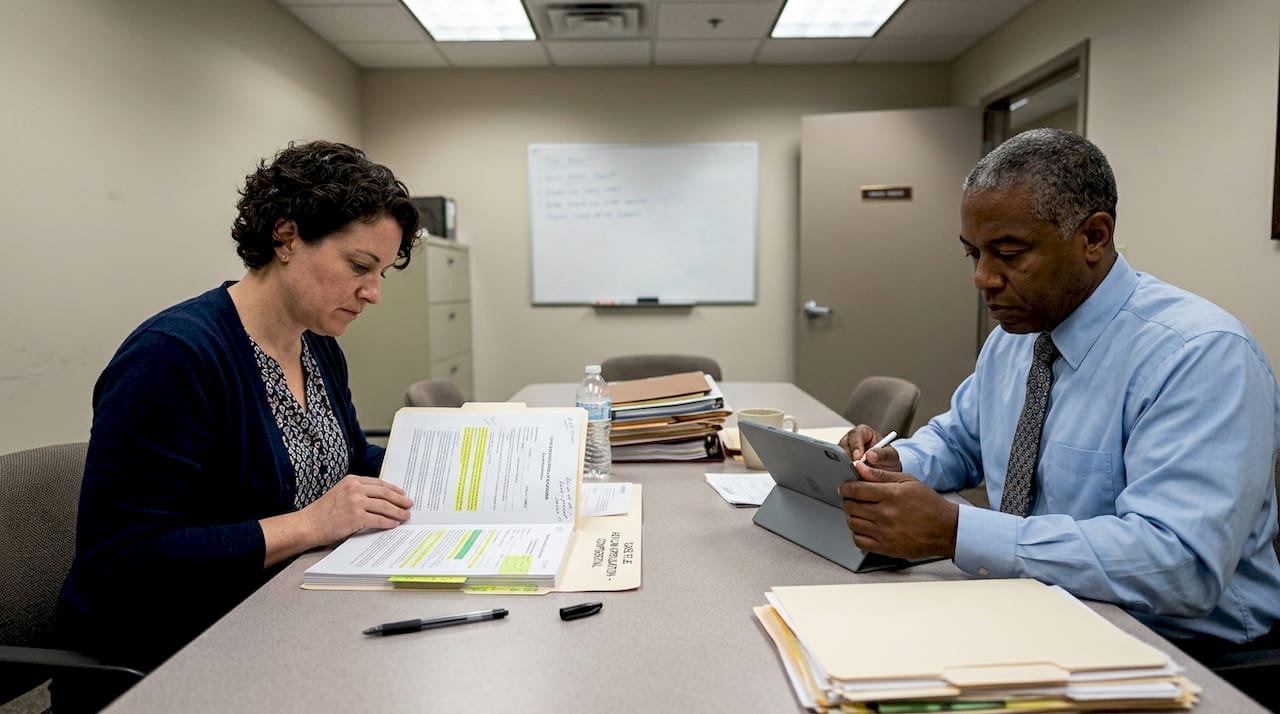
Despite these advances, human oversight remains embedded in the workflow. Immigration officers review AI-flagged applications and make final determinations on complex cases. The system serves as an intelligent assistant rather than a replacement for legal judgment. This hybrid approach aims to combine machine efficiency with human discernment, particularly important for nuanced situations involving exceptional circumstances or discretionary approvals. Exploring immigration guides for Spain can help you understand which aspects of your application will receive automated processing versus human review.
Challenges and setbacks in AI-assisted immigration processes
A catastrophic system failure exposed the fragility of Spain’s digital immigration infrastructure. Since December 2025, the Adexttra platform malfunction paralyzed approximately 150,000 immigration files, creating unprecedented backlogs across Spain’s busiest immigration offices. Madrid and Barcelona bore the brunt of disruptions, with applicants facing indefinite delays on residency renewals and new permit approvals.
The technical breakdown affected multiple processing streams:
- 80% of automated criminal background checks became non-functional
- Integration between regional and national databases failed repeatedly
- Appointment scheduling systems crashed, preventing new submissions
- Status tracking portals displayed outdated or incorrect information
This failure forced immigration authorities to revert to manual processing for critical cases, but the sudden workload overwhelmed understaffed offices. Foreign residents awaiting job search authorization extensions found themselves in legal limbo, unable to work while their applications sat frozen in the system. Students seeking student to worker modifications missed employment start dates due to permit delays.
“The Adexttra outage revealed how dependent Spain’s immigration system had become on a single point of failure, with no adequate contingency planning for large-scale technical breakdowns affecting hundreds of thousands of applicants.”
The incident highlighted fundamental architectural flaws in the rush to digitize. System redundancy was insufficient, backup protocols were inadequate, and communication with affected applicants was sporadic. Many people only learned about delays when their permits expired or when employers questioned their legal status. The lack of transparency during the crisis eroded trust in digital immigration systems.
Recovery efforts stretched into 2026, with authorities prioritizing urgent cases manually while engineers worked to restore full functionality. The experience demonstrated that technological efficiency cannot replace organizational resilience. Immigration offices now face the dual challenge of clearing the backlog while processing new applications through partially restored systems. For those navigating EU registration in Spain, the incident serves as a reminder to submit applications well before deadlines and maintain documentation of all submission attempts.
Legal and ethical considerations of AI in immigration under EU law
The European Union’s AI Act classifies migration-related artificial intelligence systems as high-risk technology, subjecting them to stringent regulatory requirements. This classification recognizes that immigration AI decisions directly affect fundamental rights including freedom of movement, family life, and protection from discrimination. Before deploying AI systems in immigration contexts, authorities must complete a Fundamental Rights Impact Assessment (FRIA) that evaluates potential harms and mitigation strategies.
Key regulatory requirements include:
- Transparency obligations requiring explainable AI decisions
- Data quality standards to prevent biased training datasets
- Human oversight mechanisms ensuring meaningful review capacity
- Conformity assessments before system deployment
- Post-market monitoring to detect emerging rights violations
The risk of algorithmic bias poses particular concern in immigration contexts. AI systems trained on historical data may perpetuate discrimination patterns against certain nationalities, age groups, or socioeconomic backgrounds. Opacity in decision-making algorithms makes it difficult for applicants to understand why their applications were denied or flagged for additional scrutiny. This lack of transparency undermines due process rights and creates barriers to effective appeals.
Pro Tip: Request detailed explanations for any AI-assisted immigration decisions that affect your application, as EU law grants you the right to understand the reasoning behind automated determinations.
Interoperability between different AI systems adds regulatory complexity. Spain’s immigration platforms must exchange data with EU-wide databases like the Schengen Information System and Visa Information System. Each integration point creates potential vulnerabilities for data breaches or processing errors. The AI Act mandates that interconnected systems maintain consistent rights protections across all touchpoints.
“Effective human oversight in migration AI requires more than ‘human in the loop’ checkpoints; it demands ‘human over the loop’ accountability where individuals can meaningfully intervene, override automated decisions, and take responsibility for outcomes affecting migrants’ fundamental rights.”
This accountability framework proves especially critical for applicants pursuing EU long-term residence or renewing their TIE in Spain, where automated errors could jeopardize years of legal status. The regulatory emphasis on human accountability aims to prevent the diffusion of responsibility that occurs when organizations blame algorithmic outputs for adverse decisions. Immigration authorities remain legally responsible for AI-assisted determinations, unable to hide behind technological complexity when rights violations occur.
Maximizing AI benefits while navigating Spain immigration with expert support
Artificial intelligence excels at processing straightforward immigration applications where documentation is complete and circumstances fit standard criteria. Research shows AI visa processing achieves up to 95% efficiency in routine EU visa and work permit cases, dramatically reducing wait times for applicants with uncomplicated profiles. The technology handles repetitive verification tasks with consistent accuracy, freeing human officers to focus on cases requiring judgment.
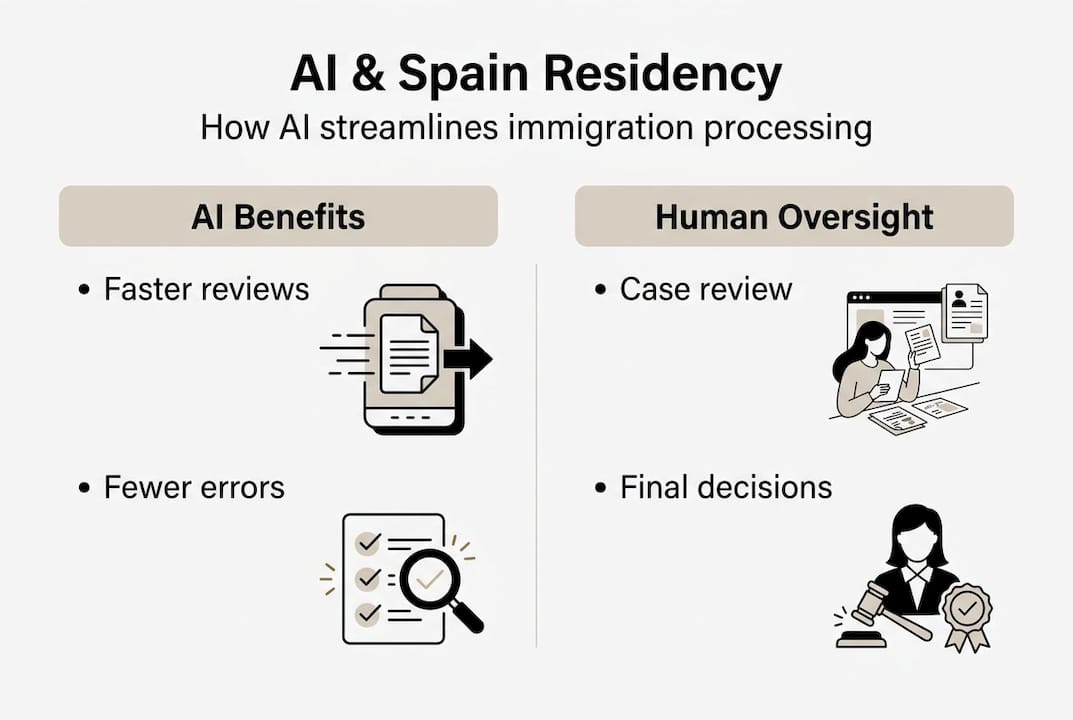
However, complex situations demand specialized legal expertise that AI cannot replicate. Applications involving prior visa denials, gaps in employment history, unconventional documentation, or discretionary circumstances benefit significantly from human interpretation. An experienced immigration professional can anticipate how AI systems will evaluate your profile and structure your application to avoid automated red flags.
Follow these sequential steps to maximize AI benefits:
- Gather complete documentation before starting your application, ensuring all required certificates, translations, and supporting materials are ready
- Use only official digital platforms like Spain’s Electronic Register rather than unauthorized third-party services that may lack proper integration
- Review AI-generated decisions critically, checking for data entry errors or misinterpretations of your documents
- Consult immigration experts immediately if automated decisions seem inaccurate or if your case involves non-standard circumstances
- Maintain detailed records of all system interactions, including screenshots, confirmation numbers, and correspondence
Pro Tip: Update your personal data across all government databases regularly to ensure AI systems access current, accurate information when processing your applications, reducing the risk of automated rejections due to outdated records.
For procedures like extraordinary regularization 2026, where eligibility criteria are nuanced and documentation requirements extensive, professional guidance significantly improves approval chances. Legal experts understand how to present complex situations in formats that AI systems can process correctly while ensuring human reviewers receive compelling narratives that support your case.
The strategic value of expert support extends beyond application preparation. Professionals monitor system status, identify processing delays early, and know how to escalate cases stuck in automated queues. When technical failures like the Adexttra outage occur, experienced advisors can navigate manual processing channels and protect your legal status during system disruptions. For internship residence applications or arraigo social procedures, this proactive approach prevents minor issues from becoming major obstacles.
Balancing AI efficiency with human expertise creates the optimal immigration strategy. Leverage technology for speed and consistency in routine matters, but recognize when your situation requires the judgment, advocacy, and problem-solving skills that only experienced professionals provide.
How Vive Legal can assist you with AI-powered immigration procedures
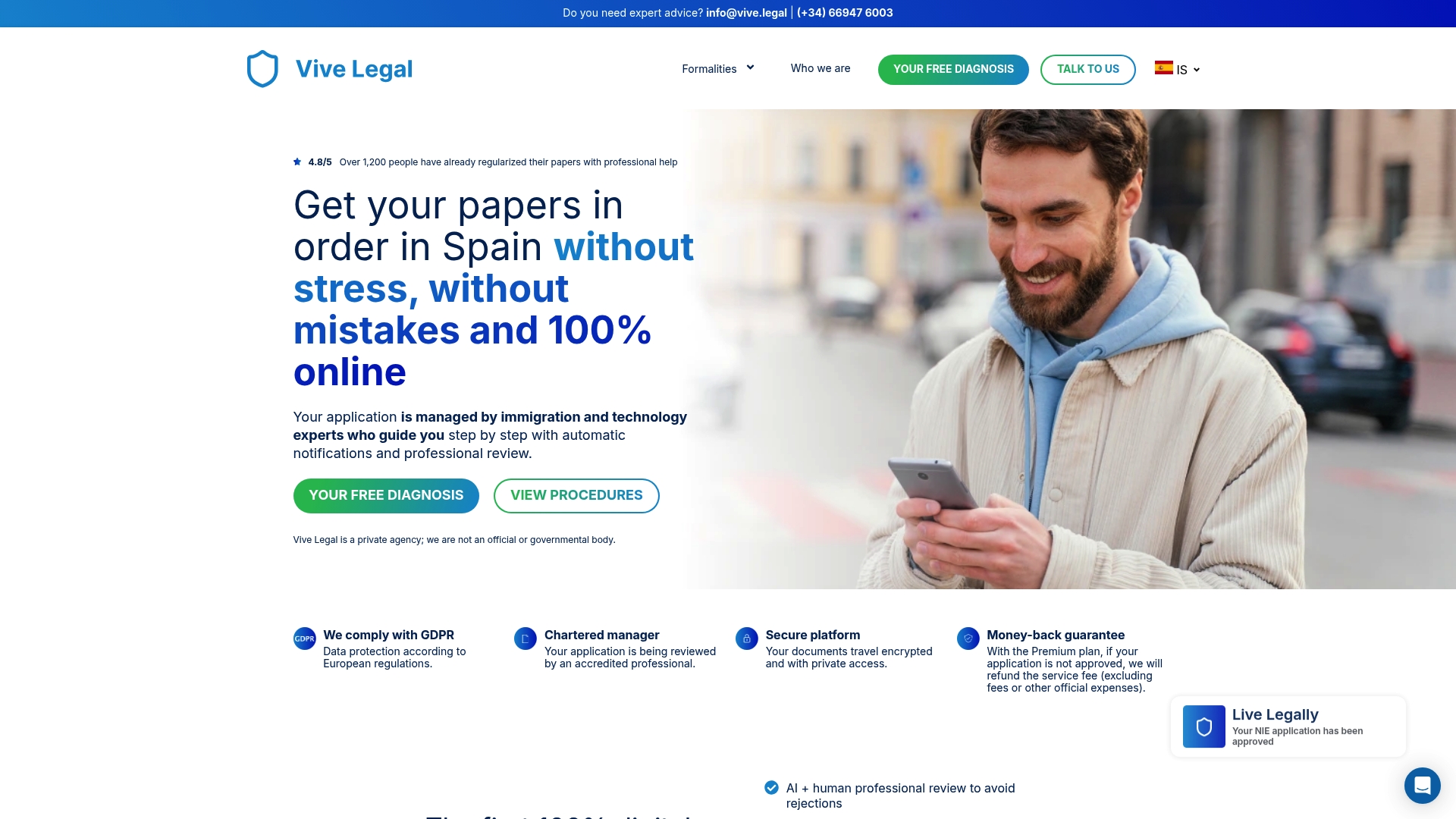
Navigating Spain’s evolving digital immigration landscape requires both technological fluency and deep legal knowledge. Vive Legal combines cutting-edge AI tools with experienced immigration counsel to deliver comprehensive support for your residency applications. Our platform integrates seamlessly with Spain’s Electronic Register and official systems, ensuring your documentation meets both automated verification requirements and human review standards.
Our services cover the full spectrum of immigration procedures, from initial work permits and student visas to complex extraordinary regularization cases and internship residence processing. We monitor your case through every stage, providing real-time updates and intervening immediately if system errors or delays threaten your timeline. Our team stays current with AI system updates and regulatory changes, adapting strategies to maximize your approval chances.
Pro Tip: Early consultation with immigration professionals can prevent costly delays by identifying potential AI system issues or documentation gaps before you submit your application, saving weeks or months of processing time.
Whether you need straightforward application support or complex case management, our integral immigration services ensure you benefit from AI efficiency while maintaining the human oversight critical for success in Spain’s digital immigration environment.
FAQ
Can AI errors in Spain’s immigration system delay my application?
Yes, technical failures like the Adexttra outage that affected 150,000 files demonstrate how AI system malfunctions can cause significant delays. Spain’s immigration authorities are implementing improved backup protocols and redundancy measures to minimize future disruptions. If you experience unexplained delays, document all interactions with the system and seek legal assistance to explore manual processing options or escalation procedures that can move your case forward.
How does the EU AI Act protect immigrants using AI in Spain?
The EU AI Act classifies migration AI as high-risk technology, requiring Fundamental Rights Impact Assessments before deployment and mandating robust human oversight throughout the decision-making process. These protections ensure that automated systems cannot make final determinations without meaningful human review, reducing risks of bias and errors. Applicants have the right to request explanations for AI-assisted decisions and to challenge determinations that appear incorrect or discriminatory.
When should I consult a legal expert for my AI-assisted immigration case?
Consult an immigration professional if your case involves prior visa denials, employment gaps, unconventional documentation, or any circumstances outside standard criteria. Expert guidance is also essential when AI-generated decisions seem inaccurate or when you experience unexplained processing delays. Professionals can interpret AI outputs, structure applications to avoid automated red flags, and navigate manual review processes when necessary.
What documents does Spain’s AI immigration system verify automatically?
Spain’s digital platforms automatically verify identity documents, criminal background checks, employment contracts, proof of financial means, and educational credentials against government databases. The AI cross-references this information with Mercurio and Extranjería systems to confirm accuracy and completeness. However, nuanced documents like recommendation letters, exceptional circumstance explanations, or non-standard certifications typically require human review to assess their relevance and authenticity properly.
How long do AI-assisted immigration applications take in Spain?
Straightforward applications processed through AI systems typically take three to four weeks for initial review, significantly faster than the traditional six to eight week timeline. Complex cases requiring human oversight may take longer, especially during system outages or high-volume periods. Processing times vary by application type, with routine renewals moving faster than initial applications or procedures involving discretionary approvals.
Recommended
Living legally in Spain shouldn't be difficult.
View services and pricesNot sure which procedure you need? Find out in 2 min
Questions? Message us on WhatsApp