
Avoid key mistakes in Spanish residency applications
TL;DR:
- Accurate form selection and fee payment are crucial to avoid application rejection.
- Complete, up-to-date documents and local registration proof are essential for a successful application.
- Rely on official sources and professional guidance rather than social media or viral statistics.
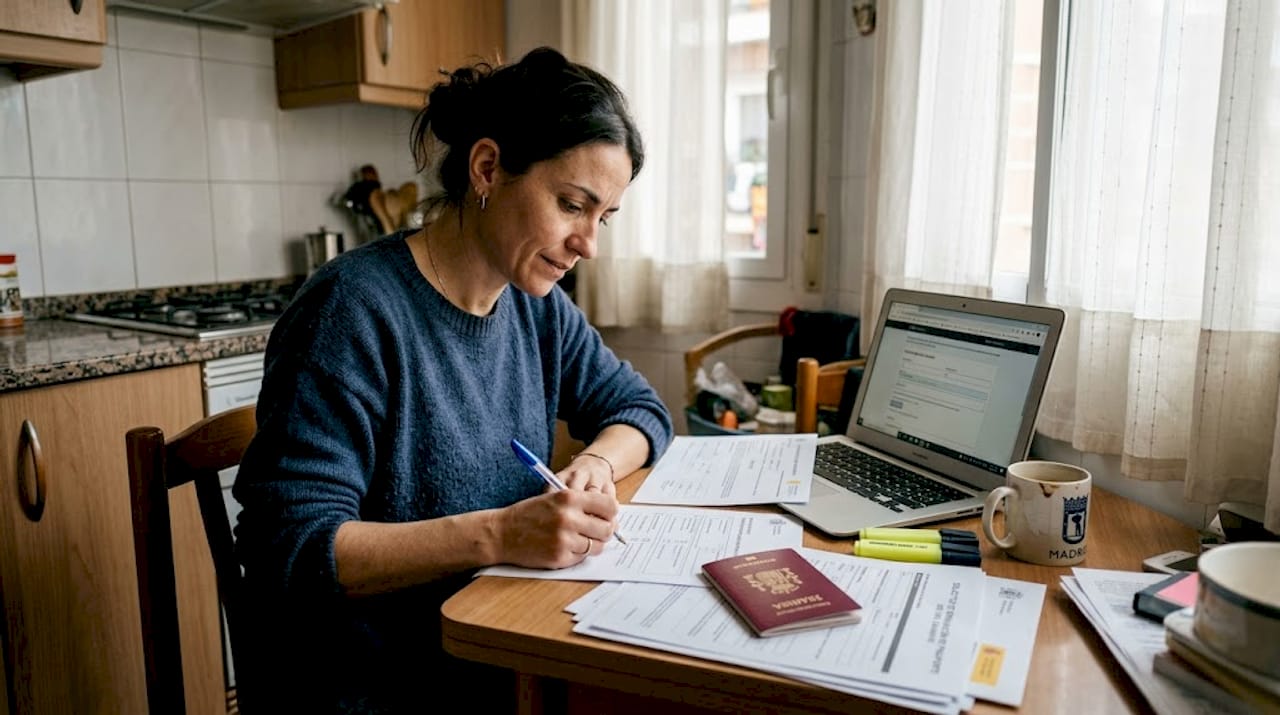
A single overlooked detail can derail months of planning. Spain’s residency application process has strict documentation and procedural rules, and immigration authorities have little tolerance for errors, no matter how minor they seem. Many applicants arrive underprepared, relying on outdated forum advice or informal tips, only to face costly delays or outright rejection. The good news is that most of these setbacks are entirely preventable. This article walks you through the top pitfalls that trip up applicants every year, and more importantly, how to sidestep each one with clear, practical strategies.
Living legally in Spain shouldn't be difficult.
View services and pricesNot sure which procedure you need? Find out in 2 min
Questions? Message us on WhatsApp
Table of Contents
- Choosing the wrong form or fee process
- Submitting incomplete or expired documents
- Neglecting local registration and legal justifications
- Relying on unofficial sources or ‘viral’ statistics
- Why process knowledge beats ‘hacks’ for Spanish residency success
- Need help with your Spanish residency application?
- Frequently asked questions
Key Takeaways
| Point | Details |
|---|---|
| Check forms and fees | Choosing the wrong form or fees is a top reason for rejection and can easily be avoided. |
| Prepare valid documents | Expired, missing, or unverified documents commonly derail residency applications. |
| Register locally | Current municipal registration is critical and often overlooked by international applicants. |
| Rely on official sources | Misinformation from unofficial sources frequently leads to mistakes and delays. |
Choosing the wrong form or fee process
Now that you know how high the stakes are, let’s start with the first and most common application pitfall. Spain’s immigration system uses a specific set of forms called EX forms, each designed for a different applicant category. Choosing the wrong one is not a minor clerical slip. It can result in your application being rejected outright before anyone reviews your actual documents.
The two forms that cause the most confusion are the EX-15 and the EX-18. The EX-15 is used by non-EU nationals applying for an NIE (Número de Identificación de Extranjero), which is an identification number rather than a residency permit. The EX-18 is the form EU citizens use to register as residents in Spain. Mixing these up is a frequent cause of rejection, and it happens more often than you might expect.
Beyond the form itself, the Modelo 790 is the official fee payment form. It comes with different codes attached to different procedures. Paying under the wrong code means you have paid, but not for the right service. Immigration offices will reject applications with mismatched fee codes, and getting a refund or resubmitting takes time and effort you do not want to waste.
Here is a quick checklist to verify before you submit:
- Confirm your nationality and residency category before selecting any EX form
- Cross-reference the correct EX form number on the official Ministerio del Interior website
- Verify the Modelo 790 code matches your specific procedure type
- Keep printed and digital copies of your fee payment receipt
- Check whether the fee amount is current, as rates can change year to year
For EU citizens specifically, reviewing EU registration tips before you begin can save you from the most common form and fee errors. If you are unsure which form applies to your situation, our immigration checklist offers a structured starting point.
Pro Tip: Always download forms directly from the official Spanish government website rather than third-party sources. Versions circulating on forums may be outdated, and submitting an obsolete form version is another avoidable rejection trigger.
Submitting incomplete or expired documents
Even with the correct form and payment, your application can still be undone by document issues. This is where many otherwise well-prepared applicants stumble. Spanish immigration authorities expect a complete, coherent document package. A single missing item or an expired certificate can put your entire application on hold.
The most common document problems include:
- Expired passport or national ID submitted as proof of identity
- Missing Padrón certificate, which proves you are registered at a local address in Spain
- Translations not certified by an official sworn translator (traductor jurado)
- Photographs that do not meet the biometric specifications
- Supporting documents older than three months, such as bank statements or employment contracts
Missing or expired documents are among the top reasons applications are rejected at the intake stage. The frustrating part is that these rejections often happen before anyone assesses whether you actually qualify for residency.
“A document checklist is not just an organizational tool. It is your first line of defense against rejection.”
Best practice is to create a running document timeline. Assign expiration dates to each document, and set reminders at least 30 days before each one lapses. This is especially important for your Padrón certificate, which must typically be issued within the last three months.
For family-based applications, the standards are even more exacting. Review the required proof of relationship before assembling your package, and cross-check it with the proof standards relevant to your specific permit type.
Pro Tip: Prepare high-resolution color scans of every original document, even if you plan to submit in person. Many offices now accept or prefer digital submissions, and having clean scans ready prevents last-minute scrambling.
Neglecting local registration and legal justifications
Documentation complete? Do not overlook the local registration and justifying why you need residency. These two factors are often treated as secondary by applicants, but immigration officers weight them heavily.
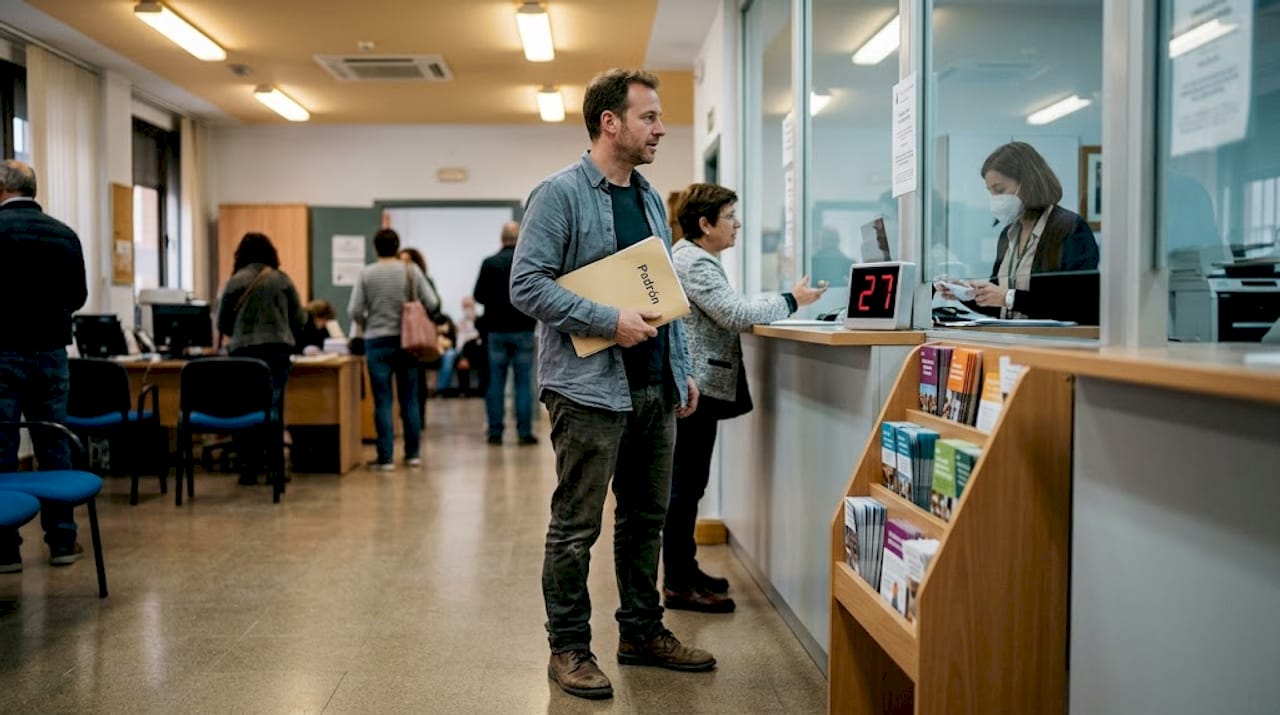
The Padrón is Spain’s municipal census register. When you register at your local town hall (ayuntamiento), you receive a Padrón certificate that proves you physically live at a Spanish address. Authorities use this document to confirm that you are genuinely established in the country, not simply passing through. Missing Padrón registration or submitting an outdated certificate is a common reason applications are denied.
Beyond proving where you live, you also need to demonstrate why you qualify for residency. This is your legal justification, and the strength of your case matters enormously. Here is how strong and weak justifications compare:
| Scenario | Justification strength | Notes |
|---|---|---|
| Full-time employment contract in Spain | Strong | Clearly ties you to economic activity |
| University enrollment letter | Strong | Confirms purpose and duration of stay |
| Marriage to a Spanish or EU national | Strong | Family ties supported by documentation |
| Freelance income from outside Spain | Moderate | Requires additional financial proof |
| Vague statement of intention to stay | Weak | No supporting evidence provided |
| Expired enrollment or work contract | Weak | Contradicts current residency need |
If you are applying based on social roots, the arraigo social route has specific requirements for proving genuine ties to Spain. For those aiming at long-term residence, the justification bar is higher and the documentation requirements are more layered.
- Make sure your Padrón certificate is current and issued within the last three months
- Match your justification documents to your specific residency category
- Avoid vague or generic supporting letters with no official backing
Relying on unofficial sources or ‘viral’ statistics
Having your paperwork in order is crucial, but relying on accurate information sources is equally important. The internet is full of confident claims about Spanish residency rejection rates, nationality-based denials, and inside tips that promise to shortcut the process. Most of these claims range from exaggerated to outright false.
Here is the reality: Spain does not publish official rejection rates by nationality for residency applications. The numbers that circulate on social media often conflate different permit types or rely on informal surveys with tiny sample sizes. A viral post claiming a 64% rejection rate for a specific nationality may be referencing a single visa category, a specific consulate, or simply be wrong.
Public benchmarks do exist for citizenship, not residency. In 2024, Spain rejected a record 20,099 citizenship applications, which gives some sense of how strict the system can be. But citizenship and residency are entirely different legal procedures with separate criteria.
“Statistics without context are noise. Always ask what category, what year, and what source before trusting any rejection rate.”
Here is a quick comparison to put the data in perspective:
| Data type | Published publicly | Useful for residency planning |
|---|---|---|
| Citizenship rejection totals | Yes | No, different procedure |
| Residency rejection rates by nationality | No | N/A |
| Consulate-level visa refusal data | Partial | Limited |
| Official processing timelines | Yes | Yes |
Reliable sources to follow include:
- The Spanish Ministerio del Interior official website
- The Secretaría de Estado de Migraciones
- Accredited immigration law firms with active Spain practices
- Official government bulletins (BOE)
For the residency approval process, always verify information against official channels before acting on it.
Why process knowledge beats ‘hacks’ for Spanish residency success
After working with real applicants across every residency category Spain offers, one pattern stands out clearly: people who succeed are not the ones who found a clever shortcut. They are the ones who took the time to understand the process from start to finish.
It is tempting to search for the one tip that makes everything click. And online, you will always find someone claiming to have that tip. But Spanish immigration law is precise. What worked for someone in a different municipality, in a different year, with a different permit category, may not work for you at all. The system rewards preparation, not improvisation.
The most resilient applicants we encounter are those who keep their own running timeline, review official updates before each submission, and treat feedback from prior rejections as a learning resource rather than a setback. That mindset, supported by legal process insights and genuine expert oversight, consistently outperforms forum-based guesswork. Transparency about your situation and thorough documentation preparation are the two things no viral post can replace.
Need help with your Spanish residency application?
If this sounds overwhelming, expert guidance may be your strongest tool. Navigating Spain’s residency process without professional support means one wrong form, one expired document, or one mismatched fee code could set you back months.
At Vive Legal, we combine AI-driven document review with accredited legal professionals to catch errors before they become rejections. Whether you need support with an internship residence case or are working toward long-term residence, our team manages the entire process digitally, from document checks to appointment scheduling. No guesswork, no outdated forum advice. Just a clear, guided path to your Spanish residency approval.
Frequently asked questions
What is the most common reason for Spanish residency application rejection?
Incorrect form selection or missing required documents are the most common causes. Wrong EX forms, expired documents, and missing Padrón registration consistently top the list of intake-stage rejections.
Where can I find official and updated residency requirements?
The Spanish Ministry of Interior and accredited immigration law firms publish current requirements. Always check these sources directly rather than relying on third-party summaries or social media posts.
Do rejection rates for residency applications differ by nationality?
Spain does not publish official rejection rates by nationality for residency applications, making most circulating statistics unreliable or based on incomplete data.
Is padrón registration necessary for all applicants?
Most residency applications in Spain require a current Padrón certificate as proof of local address. Missing this registration is a frequent and avoidable reason for denial.
Can social media or expat forums be trusted for application advice?
Forum and social media advice should never replace official or legal sources. Procedures, fees, and requirements change regularly, and informal advice often reflects outdated or location-specific experiences that may not apply to your case.
Recommended
Living legally in Spain shouldn't be difficult.
View services and pricesNot sure which procedure you need? Find out in 2 min
Questions? Message us on WhatsApp