
Digital residency management in Spain: streamline immigration

TL;DR:
- Spain’s new digital platform centralizes residency applications, reducing regional discrepancies and delays.
- The platform offers features like e-signatures, real-time tracking, and automatic notifications for smoother processing.
- Success depends on proper document preparation, technical familiarity, and active monitoring during the transition.
Spain’s digital residency overhaul launched in 2026 and it is already reshaping how hundreds of thousands of expatriates, workers, and students manage their immigration paperwork. Gone are the days of navigating separate provincial offices with conflicting requirements. A single national platform now centralizes everything from permit applications to renewals. But with any major change comes real confusion, especially for people who are new to Spain’s system or are mid-process. This guide breaks down exactly what digital residency management means, how the new platform works, who it helps most, and what pitfalls to watch out for so you can move forward with confidence.
Living legally in Spain shouldn't be difficult.
View services and pricesNot sure which procedure you need? Find out in 2 min
Questions? Message us on WhatsApp
Table of Contents
- Understanding digital residency management in Spain
- Key features of Spain’s 2026 digital residency platform
- Who benefits: Expats, workers, and students under the digital system
- Limitations and risks: Transitional hiccups and user adaptation
- Our take: Why preparation still matters despite digital advances
- Get expert support for your Spain residency process
- Frequently asked questions
Key Takeaways
| Point | Details |
|---|---|
| Centralized digital process | Spain’s ‘MiResidencia’ platform unifies all major residency applications online for faster, clearer processing. |
| User readiness is crucial | Applicants still need careful documentation and adaptation to digital requirements to avoid delays. |
| Faster processing times | Transitioning to the digital system provides shorter permit processing and less fragmented paperwork. |
| Support is available | Legal experts can help you navigate the digital system, from document submission to renewal advice. |
Understanding digital residency management in Spain
Digital residency management means administering, tracking, and completing your immigration or residency procedures through a unified online Spanish government portal rather than visiting multiple offices or submitting physical paperwork across different regions. It is a shift from a fragmented, regionally inconsistent process to one standardized national system.
Before 2026, getting a residency permit in Spain often meant dealing with different requirements depending on whether you were in Madrid, Barcelona, or Valencia. Each province had its own timelines, document checklists, and appointment systems. The recent reforms aim to eliminate that inconsistency entirely.
The new system introduces several concrete improvements:
- E-signatures that replace the need for physical signatures on most forms
- Automatic document checks that flag missing or incorrect files before submission
- Biometric data uploads so you can submit fingerprint and photo data digitally
- Real-time application tracking so you always know where your case stands
- Electronic notifications at every stage of your process
The centralized procedures replace the old provincial fragmentation with nationwide uniformity, which is a massive win for anyone who has ever received conflicting advice from two different immigration offices.
One common misconception worth clearing up: digital residency management does not mean automatic approval. You still need to meet all legal requirements, submit the correct documents, and qualify for the permit you are applying for. The platform makes the process smoother, not automatic.
“Centralization brings clarity, but adaptation is key for users.” The technology is only as effective as the preparation behind it.
For deeper context on how these changes affect specific permit types, the immigration guides on Vive Legal cover a wide range of scenarios in plain language.
Key features of Spain’s 2026 digital residency platform
The new platform is called MiResidencia, and it operates as a single login hub for all residency-related procedures. Access requires a digital certificate through Cl@ve, Spain’s national digital identity system. Once you are logged in, everything from document submission to appointment scheduling happens in one place.
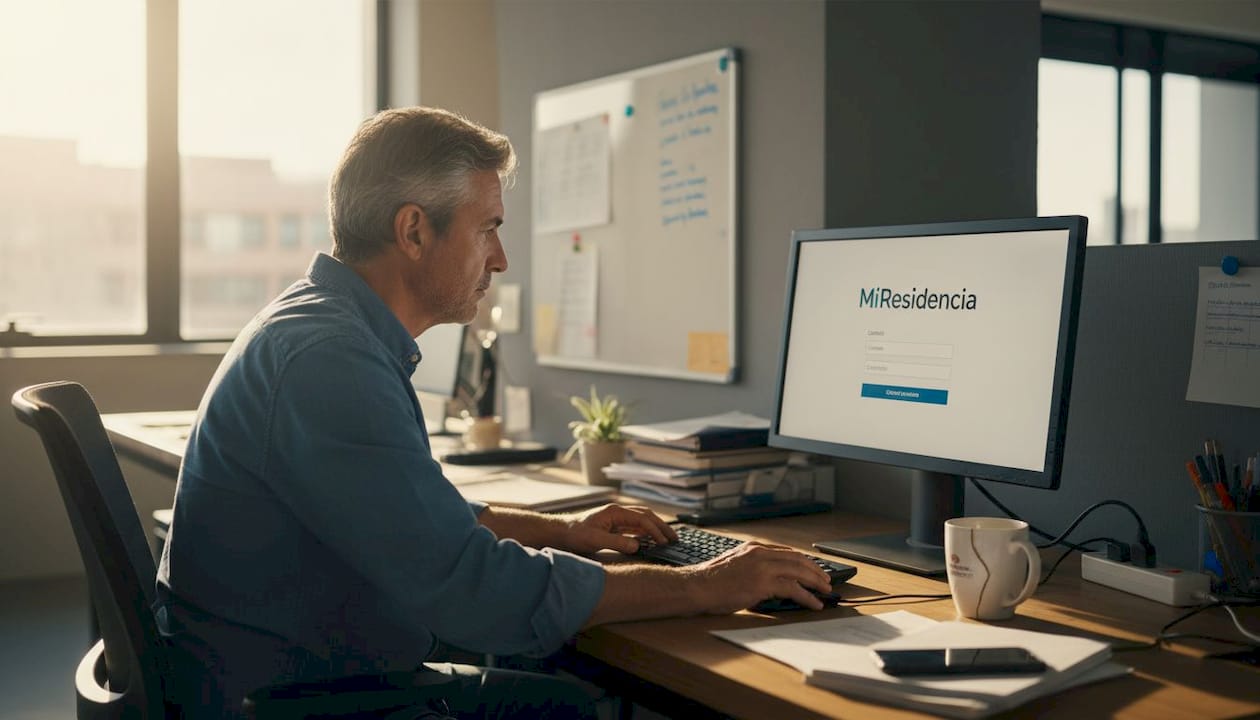
Here is how MiResidencia compares to the old system:
| Feature | Old system | MiResidencia (2026) |
|---|---|---|
| Document submission | Physical or regional portal | Fully digital, one platform |
| Application tracking | No real-time updates | Live status tracking |
| Biometric data | In-person only | Digital upload supported |
| Processing consistency | Varied by province | Standardized nationally |
| Notifications | Manual follow-up required | Automatic electronic alerts |
The MiResidencia platform supports e-signatures, automatic document verification, biometric uploads, and real-time tracking, cutting wait times significantly for many permit categories.
Here is a step-by-step look at how a typical application flows through the new system:
- Log in to MiResidencia using your Cl@ve digital certificate
- Select your permit type and complete the digital application form
- Upload all required documents in PDF format
- Submit biometric data if required for your permit category
- Receive automatic confirmation and a case reference number
- Track your application status in real time through the portal
- Receive electronic notification when a decision is made
The EU registration process and the arraigo social process are both now managed through this unified flow, which makes managing complex cases significantly more straightforward.
Pro Tip: Before submitting, use the platform’s built-in document checker to confirm every file is complete and correctly formatted. Incomplete submissions are still one of the top reasons for processing delays, even in the new system.
Who benefits: Expats, workers, and students under the digital system
Understanding who really benefits helps clarify why Spain has committed so much to digital transformation. The short answer is that nearly everyone applying for or renewing a Spanish residency permit stands to gain, but the advantages look different depending on your situation.
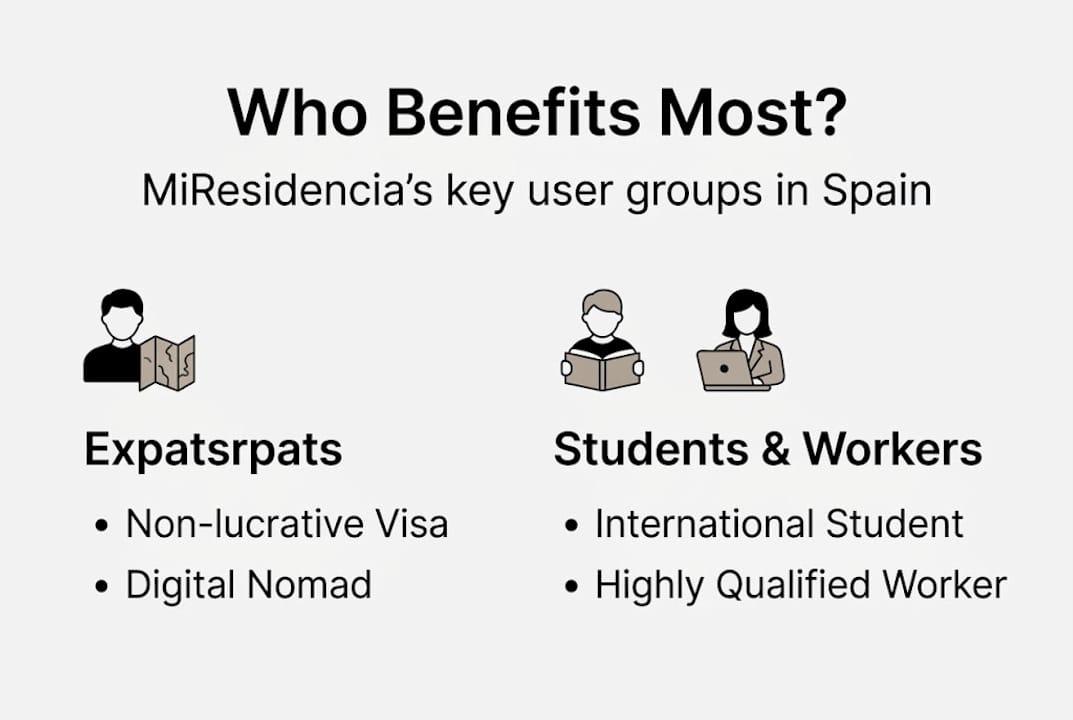
Expatriates on non-lucrative visas benefit from standardized paperwork and quicker decision cycles. Previously, processing times and document requirements varied so much by region that many applicants hired local gestorías just to decode the local rules. Now the requirements are the same everywhere.
Foreign workers, including highly-qualified professionals and digital nomads, see some of the biggest improvements. Permit procedures that once took 90 days are now targeting 45-day turnarounds under the new system. That matters enormously if you are waiting to start a job or need your status confirmed for a rental contract.
International students transitioning from study to work status benefit from a cleaner handoff between permit categories. The student to worker transition is now tracked within the same platform, reducing the risk of gaps in legal status.
Digital residency applies to expats on non-lucrative visas, highly-qualified workers, digital nomads, and students transitioning to residence permits, covering the vast majority of people navigating Spain’s immigration system.
Here is a quick look at how processing times have shifted for common permit types:
| Permit type | Previous average wait | 2026 target wait |
|---|---|---|
| Non-lucrative visa renewal | 60 to 90 days | 30 to 45 days |
| Highly-qualified worker permit | 90 days | 45 days |
| Student to work transition | 60 days | 30 days |
| EU registration certificate | 30 days | 15 days |
To use the system effectively, you will need:
- A valid Cl@ve digital certificate
- A device with a stable internet connection
- All required documents saved as PDFs
- Biometric data ready for upload if your permit requires it
- A personal email address for electronic notifications
The internship residency process also falls under this framework, which is useful for students completing work placements as part of their academic programs.
One pitfall to avoid: skipping the biometric upload step because it seems optional. For many permit categories, missing this step will pause your entire application until it is corrected.
Limitations and risks: Transitional hiccups and user adaptation
For all its benefits, digital residency management in Spain comes with some real challenges to be aware of. The system is new, and new systems have growing pains.
The most commonly reported early issues include:
- Platform outages during peak submission periods
- Unclear help resources for users who encounter errors or edge cases
- Delays for first-time users who are unfamiliar with Cl@ve or digital certificates
- Inconsistent guidance from support staff still learning the new workflows
- Technical errors when uploading large or improperly formatted files
Not everyone navigating Spain’s immigration system is tech-savvy. Older applicants, people with limited Spanish language skills, or those without reliable internet access face a steeper adaptation curve. The government has added 1,200 new clerks and allocated a €78 million budget to support the rollout, but that support takes time to reach every user.
Success will hinge on IT stability and how well residents adapt, and initial confusion is expected based on expert analyses. There is also broad agreement among analysts about implementation risks and the likelihood of a transitional adjustment period.
For anyone currently applying for long-term residence, it is especially important to stay on top of your case status during this transition period, since delays caused by platform issues can affect your legal timeline.
Pro Tip: Keep a complete offline backup of every document you submit. If the platform experiences an outage or your submission is lost, having local copies means you can resubmit immediately without scrambling.
Best practices for navigating the transition:
- Double-check all requirements before starting your application
- Never submit incomplete files, even if the system appears to accept them
- Log in regularly to monitor your application status
- Contact support early if you notice a discrepancy in your case
Our take: Why preparation still matters despite digital advances
Here is something the headlines about Spain’s digital overhaul tend to gloss over: technology does not prepare your documents for you. It just moves them faster.
We have seen this pattern before with other government digitization projects. The platform goes live, expectations run high, and then a wave of users discover that their applications were rejected not because of the system but because of the same errors that caused rejections before. Missing a financial solvency document, submitting a scan that is too low resolution, or misunderstanding which permit category applies to your situation. These are human errors, and a digital portal does not catch all of them.
What the new system genuinely changes is the speed at which good applications get processed. If your file is complete and correct, you will move through the system faster than ever. But if it is not, you will hit the same walls, just digitally.
Early adopters of MiResidencia will also shape how the system evolves. The feedback from the first wave of users is what drives platform improvements. That means engaging carefully, reporting issues, and not just abandoning the process when something feels confusing. For complex cases, having expert guidance through legal insights on digital immigration still makes a meaningful difference in outcomes.
Get expert support for your Spain residency process
Navigating a new digital system while managing the stress of immigration is a lot to handle on your own. Even with a streamlined platform, the details matter enormously.
Vive Legal’s digital immigration experts specialize in exactly this kind of support. From reviewing your documents before submission to tracking your case through every stage of the process, the platform combines AI-powered checks with real legal expertise to catch errors before they cause delays. Whether you need regularization support or are looking for guidance on NIE renewal for students, Vive Legal offers a fully online, transparent service designed for people who want their residency handled right the first time.
Frequently asked questions
What is the ‘MiResidencia’ portal in Spain?
MiResidencia is Spain’s new unified national digital platform for filing, tracking, and processing residency applications and renewals, replacing the old fragmented provincial systems.
Who should use Spain’s digital residency management system?
Expats, foreign workers, international students, and anyone applying for or renewing Spanish residency from 2026 onward should use the digital system as it is now the standard national process.
Are processing times really faster with Spain’s digital overhaul?
Yes, for many permits the process is expected to be significantly faster. Processing times for some permits have been reduced from 90 to 45 days, with further improvements expected as the system stabilizes.
What are the common pitfalls during digital residency management?
The most frequent issues include missing biometric uploads, incomplete forms, and failing to monitor application status regularly in the new portal.
Recommended
Living legally in Spain shouldn't be difficult.
View services and pricesNot sure which procedure you need? Find out in 2 min
Questions? Message us on WhatsApp