
Step-by-Step Guide to Spanish Legal Forms for Expats

Most American and other non-European expats quickly discover that Spanish immigration paperwork involves far more than just passport stamps. With more than 60 percent of residency rejections tied to missing or misfiled documents, early mistakes can jeopardize your entire application. Understanding each step—from assembling key paperwork to selecting the right legal form—makes a dramatic difference in securing your stay in Spain on your first attempt.
Table of Contents
- Step 1: Gather Required Personal Information And Documents
- Step 2: Select The Correct Spanish Legal Form For Your Needs
- Step 3: Complete Form Fields With Accurate Details
- Step 4: Submit Forms Through Official Channels Or Online Platforms
- Step 5: Verify Submission Status And Track Approval Progress
Quick Summary
| Key Insight | Explanation |
|---|---|
| 1. Gather all necessary documents | Collect original and translated copies of personal identification, financial proof, and health insurance. |
| 2. Choose the right legal form | Select the appropriate legal form based on your nationality and purpose of stay to avoid processing issues. |
| 3. Fill out forms accurately | Ensure all information matches your official documents to prevent delays or rejections in your application. |
| 4. Submit via appropriate channels | Use official online platforms for faster processing or in-person appointments for certain complicated cases. |
| 5. Track application status proactively | Monitor your submission through online tracking systems and maintain documentation for any required follow-ups. |
Step 1: Gather required personal information and documents
Preparing your legal documentation is the crucial first phase in your Spanish residency journey. This step involves collecting all necessary personal and official documents that will support your immigration application.
Living legally in Spain shouldn't be difficult.
View services and pricesNot sure which procedure you need? Find out in 2 min
Questions? Message us on WhatsApp
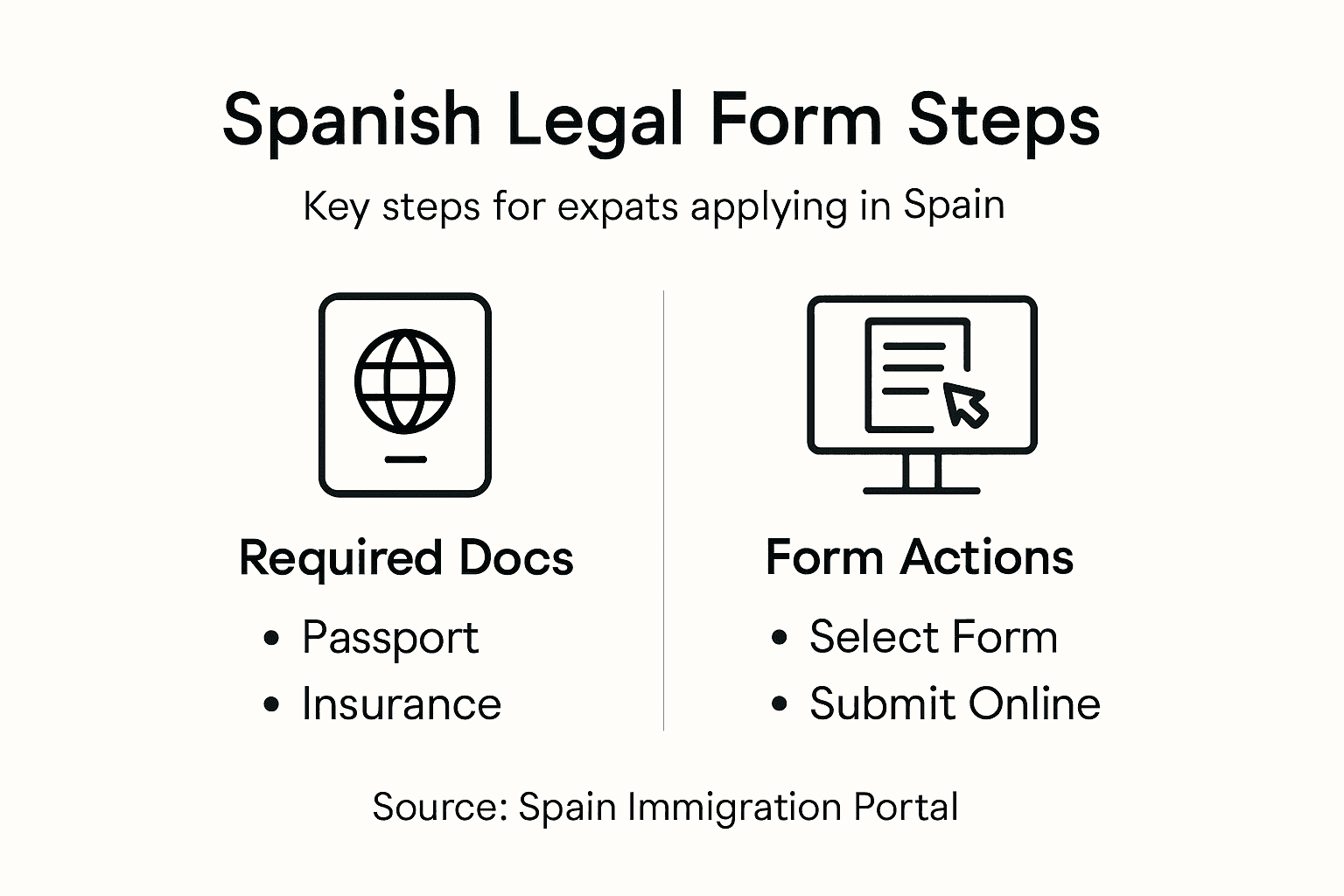
Start by assembling your core documentation package. You will need multiple original copies of key documents, including your valid passport, birth certificate, and marriage certificate (if applicable). For non-EU citizens, the process requires additional paperwork. Diplomatic legalization of documents might be necessary to authenticate your paperwork for Spanish administrative processes.
Specifically, you will want to compile documents such as proof of financial means, health insurance certification, criminal background check from your home country, and academic credentials if relevant. Non-EU applicants must also prepare specific visa documentation depending on their stay purpose. Organize these documents chronologically and keep both original and translated copies. Translations must be completed by a certified translator recognized by Spanish authorities.
Make digital and physical backup copies of every single document. Store originals in a secure, waterproof folder and keep digital scans in a password-protected cloud storage service. This redundancy protects you against potential loss or damage.
Pro Tip: Schedule a preliminary consultation with an immigration specialist who can review your document package before submission to identify any potential gaps or issues.
Step 2: Select the correct Spanish legal form for your needs
Selecting the appropriate legal form is a critical step in navigating Spain’s complex immigration process. Your choice depends on multiple factors including your nationality, purpose of stay, and intended duration.
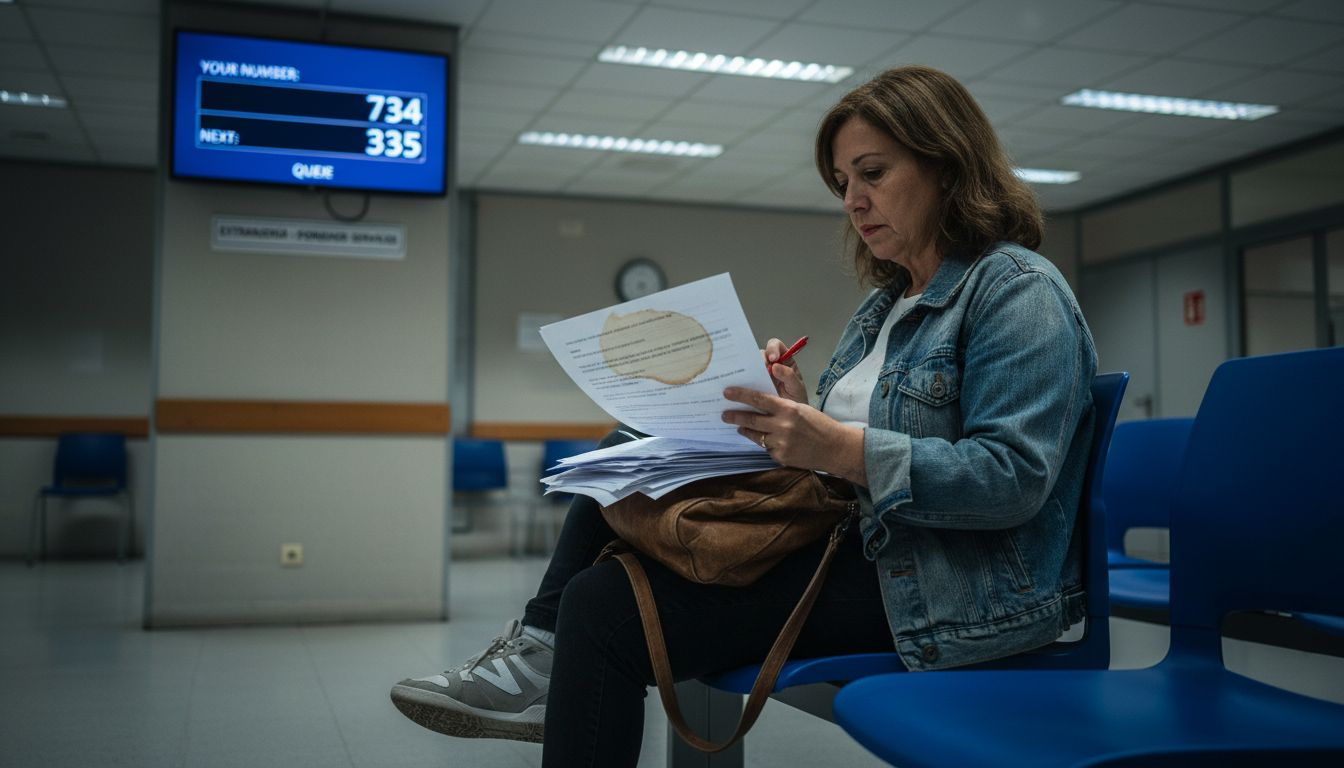
Non-EU nationals face more intricate documentation requirements compared to European citizens. Spain immigration procedures involve carefully matching your specific situation with the correct legal form. For instance, work permits differ from student visas, and short term residence documents vary from permanent residency applications. The primary forms you might encounter include NIE (Foreigner Identification Number), TIE (Foreigner Identity Card), Empadronamiento (municipal registration), and specific work or study authorization documents.
To determine the right form, consider these key factors: your country of origin, planned length of stay, professional or academic intentions, and personal circumstances. EU citizens generally have simpler processes, while non-EU nationals must provide more comprehensive documentation. Carefully review each form’s specific requirements, noting which supporting documents you will need to include. Pay close attention to expiration dates, renewal conditions, and the precise administrative processes for submission.
Each form has unique submission protocols and supporting documentation needs. Some require translations by certified professionals, while others mandate specific financial proof or health insurance certifications. Take time to understand the nuanced requirements for your particular situation.
Here’s a summary comparing main Spanish legal forms for residency and their intended purposes:
| Legal Form | Who Typically Needs It | Primary Purpose | Unique Requirements |
|---|---|---|---|
| NIE (ID Number) | All foreign nationals | Official identification | Registration with national police |
| TIE (Identity Card) | Non-EU nationals | Legal residency documentation | Biometrics, photos, extra docs |
| Empadronamiento | All residents, including expats | Municipal registration | Proof of address, rental contract |
| Visa Authorization | Non-EU nationals | Work, study, or family purposes | Specific visa forms, fee payment |
Pro Tip: Create a color-coded checklist for each required document to ensure nothing is overlooked during your form selection and submission process.
Step 3: Complete form fields with accurate details
Accurately completing Spanish legal forms is a critical process that demands your full attention and precision. Your goal in this step is to ensure every field reflects your personal information exactly as it appears on your official documents.
Visa application tips for expats emphasize the importance of meticulousness when filling out immigration paperwork. Begin by gathering all official documents including your passport, birth certificate, and any relevant professional or academic credentials. Compare these documents side by side as you complete each form field. Pay special attention to details such as full legal name, passport number, date of birth, and contact information. Ensure that these match precisely with your original documents to avoid potential processing delays or outright rejections.
Each form section requires specific types of information. Some fields will request personal details, while others focus on your purpose of stay, financial means, or accommodation arrangements. Immigration form requirements mandate that you provide comprehensive and consistent information across all documents. Use black ink or digital forms with extreme care, double checking spelling, dates, and numerical entries. If a field does not apply to you, write N/A instead of leaving it blank. For digital forms, save your progress frequently and review each section before final submission.
When entering information, match the format exactly as shown on the form. This means paying attention to date formats (typically day/month/year in Spain), address formatting, and any specific instructions for each field. If you are uncertain about how to complete a particular section, seek guidance from official immigration resources or consider consulting an immigration specialist.
Pro Tip: Make high resolution scans of all completed forms and supporting documents before submission to maintain a personal record and have backup documentation.
Step 4: Submit forms through official channels or online platforms
Navigating the submission process for Spanish legal forms requires strategic planning and careful attention to official procedures. Your objective is to ensure your application reaches the correct administrative channels with all required documentation.
Spanish immigration form submission typically involves selecting between digital platforms and in person submissions. Most government offices now prefer online submissions through official websites, which offer streamlined tracking and faster processing times. Before submitting, create digital copies of all documents and ensure they meet specific file format requirements such as PDF or high resolution image formats. Online platforms often require you to create a user account, so allocate time for registering and verifying your credentials before beginning the actual submission process.
Depending on your specific visa or residency type, you might need to schedule an in person appointment at a local immigration office. Some applications require both online submission and physical document verification. Pay close attention to the specific submission guidelines for your particular form. This might include uploading supporting documents, paying associated fees through secure online payment systems, and obtaining submission confirmation numbers. Always request and save digital or printed receipts as proof of your application submission.
Be prepared for potential requests for additional information or clarification. Some applications might require supplementary documentation that was not initially apparent. Maintain open communication channels and respond promptly to any official communications regarding your submission.
Below is a reference table outlining differences between digital and in-person Spanish immigration submissions:
| Submission Method | Advantages | Common Challenges | Typical Use Cases |
|---|---|---|---|
| Online Form Platform | Fast processing, trackable status | File format restrictions | Most residency applications |
| In-Person Appointment | Personalized guidance, instant feedback | Scheduling delays, longer wait times | Complex visa cases, document verification |
Pro Tip: Create a dedicated email folder and digital backup system specifically for tracking your immigration application documents and correspondence.
Step 5: Verify submission status and track approval progress
Tracking the progress of your Spanish immigration application requires patience, organization, and strategic monitoring. Your primary goal is to stay informed about your application’s current status and potential next steps.
Spanish immigration form tracking involves careful use of online government portals and systematic documentation management. Begin by creating a dedicated digital folder where you store all submission confirmation numbers, reference codes, and correspondence. Most regional immigration offices provide online tracking systems that require your unique application identifier. Set up email notifications if possible and check the status regularly but not obsessively. Typically, processing times vary depending on the type of application and current administrative workload.
Understand that different application types have distinct tracking protocols. Work visa applications might have different monitoring systems compared to student or family reunification permits. Always have your original submission receipt, passport number, and application reference code readily available when accessing tracking platforms. Some systems require multiple authentication steps, so ensure you have access to the email address and phone number associated with your original application.
Prepare for potential requests for additional information by maintaining a quick response protocol. Immigration offices might send communication requesting clarification or supplementary documents. Check your registered email and physical mail consistently during the processing period. Keep copies of all communications and maintain a chronological log of interactions related to your application.
Pro Tip: Create a spreadsheet tracking key dates, reference numbers, and communication timestamps to maintain a comprehensive overview of your immigration application process.
Simplify Your Spanish Residency Journey with Expert Legal Support
Navigating the complex world of Spanish legal forms like NIE, TIE, and visa applications can be overwhelming. This guide highlights common challenges such as gathering and organizing your documents, choosing the right forms, and tracking your application’s progress. If you want to avoid costly mistakes and stressful delays, professional assistance is essential. Vive Legal specializes in streamlining these processes with personalized document reviews and error-free form preparation that ensures your information is accurate and compliant.
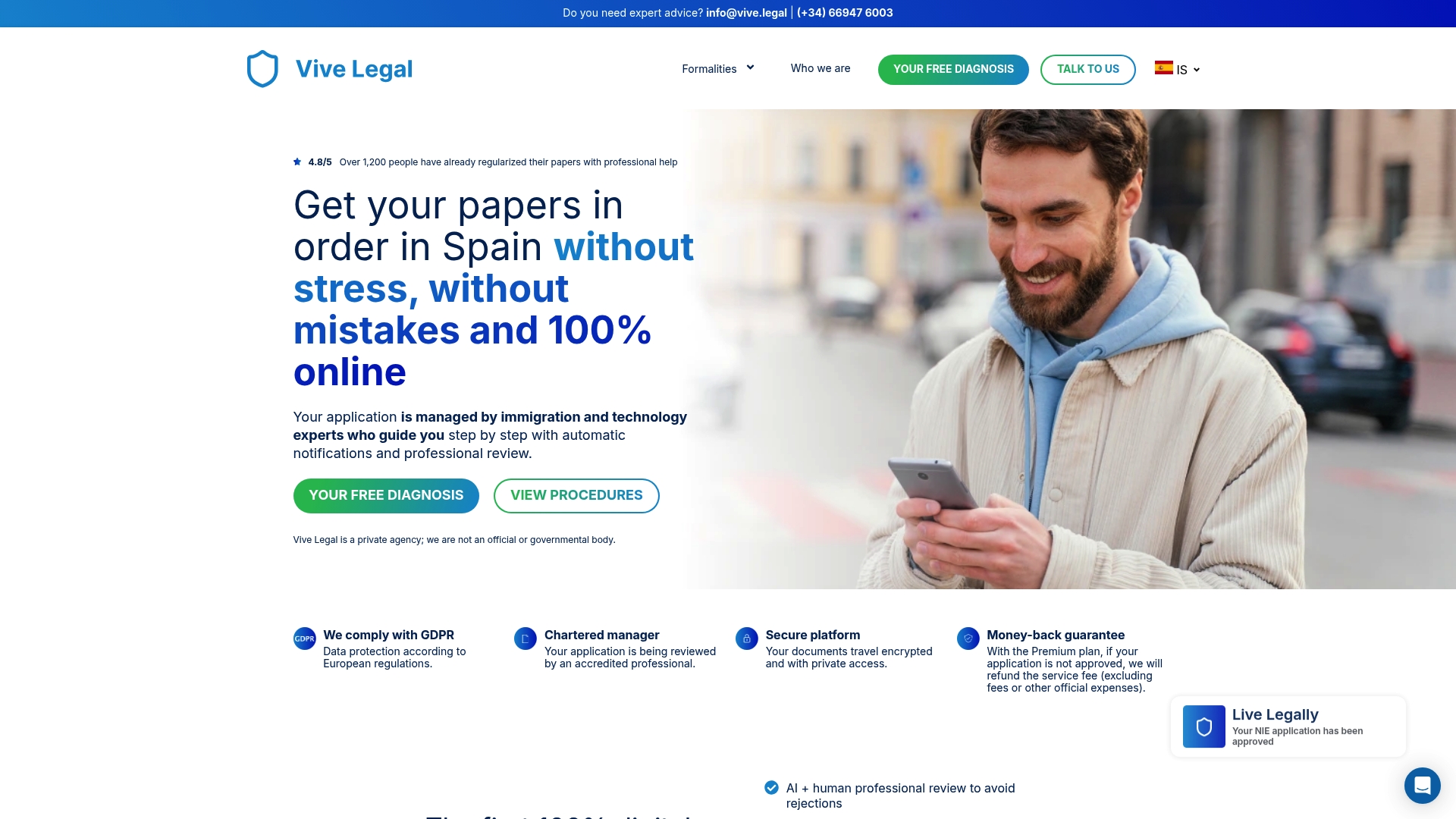
Take control of your residency application now by visiting Vive Legal. Benefit from our secure digital platform that offers appointment scheduling, real-time case tracking, and expert consultation all designed to give you clarity and confidence throughout your immigration journey. Don’t let paperwork hold you back—get started today with Vive Legal’s expert services and make your move to Spain smoother and faster.
Frequently Asked Questions
What documents do I need to prepare for my Spanish residency application?
You will need essential documents such as a valid passport, birth certificate, and marriage certificate if applicable. Additionally, gather proof of financial means, health insurance certification, and any necessary academic credentials, making sure to organize everything neatly.
How can I determine the correct legal form for my residency needs in Spain?
To find the right legal form, assess factors such as your nationality, purpose of stay, and intended duration. Review each form’s specific requirements and make a checklist of the supporting documents needed for your situation.
What is the best way to fill out Spanish legal forms accurately?
Fill out Spanish legal forms carefully, ensuring that each field matches the information on your official documents exactly. Take your time to double-check spelling, dates, and numerical entries before considering your form complete.
How should I submit my Spanish residency application forms?
You can submit your forms either online or in person, depending on the requirements of your specific application. For online submissions, create digital copies, follow the required file format, and keep track of submission confirmation numbers.
How can I check the status of my residency application in Spain?
Track your application status by using the online tracking systems provided by the immigration office, usually requiring your unique application identifier. Regularly check your registered email for any requests for additional information and maintain a log of your interactions to stay organized.
What steps should I take if I receive a request for additional information after my submission?
If you receive a request for additional information, respond promptly with the required documents or clarifications. Keep copies of all correspondence and update your application log to ensure you address the request fully and on time.
Recommended
Living legally in Spain shouldn't be difficult.
View services and pricesNot sure which procedure you need? Find out in 2 min
Questions? Message us on WhatsApp