
How to review residency documents for Spain in 2026
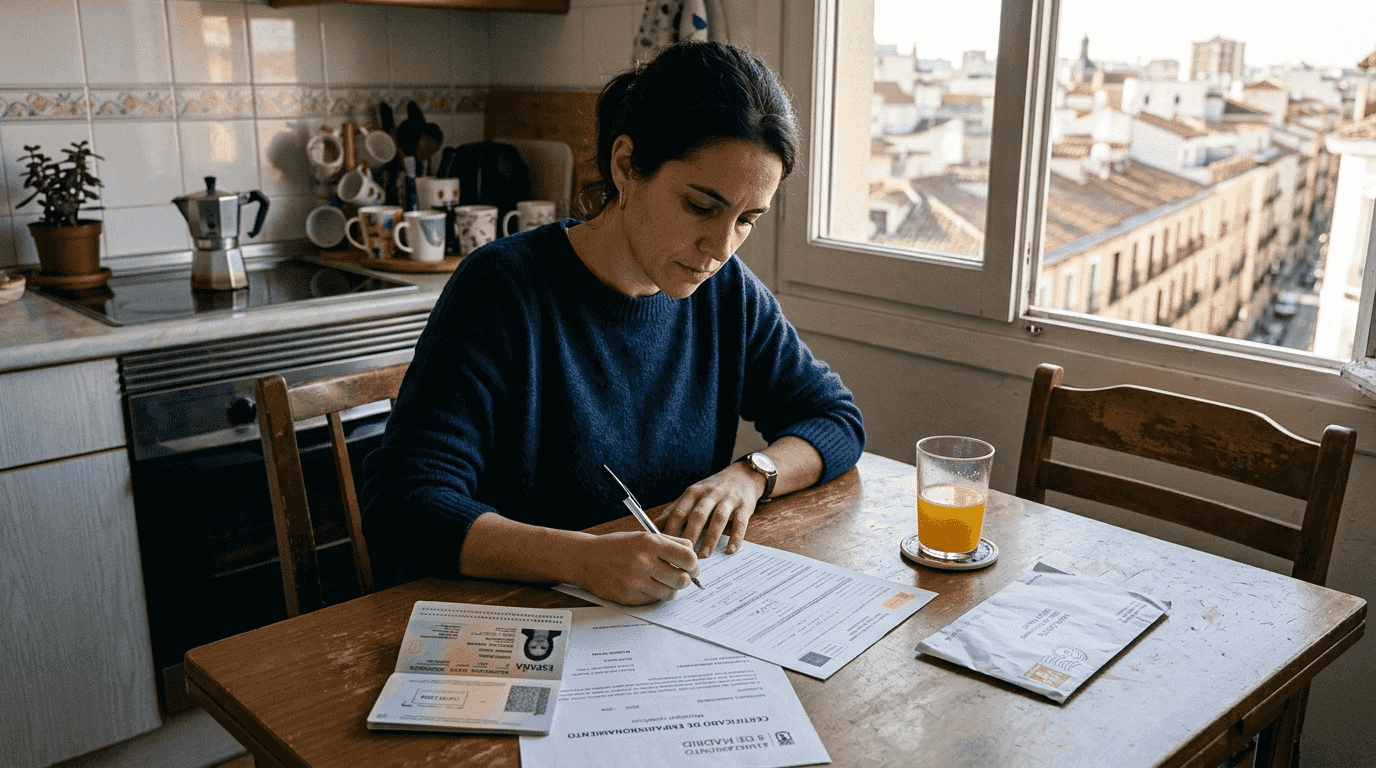
Navigating residency documentation in Spain can feel overwhelming, especially when you’re unsure whether your paperwork is complete or accurate. Many expatriates, foreign workers, and international students face delays or complications simply because they didn’t know what to check or how to verify their documents properly. Understanding how to review your residency paperwork isn’t just about avoiding bureaucratic headaches; it’s about protecting your legal status and accessing essential services like healthcare and education. This guide walks you through exactly what documents matter most, how to verify them correctly, and common mistakes to avoid so you can confidently manage your residency in 2026.
Table of Contents
- Understanding Key Residency Documents In Spain
- Step-By-Step Guide To Reviewing Your Residency Documents Correctly
- Common Mistakes And How To Avoid Them When Managing Residency Documentation
- What To Expect After Reviewing Your Residency Documents
- Get Professional Help Managing Your Residency In Spain
- Frequently Asked Questions
Key takeaways
| Point | Details |
|---|---|
| Empadronamiento establishes residency seniority | Your municipal registration date determines eligibility for future residency applications and citizenship. |
| Register early with just your passport | You don’t need to wait for your TIE card to complete empadronamiento and preserve your timeline. |
| Proper documentation unlocks essential services | Correct registration grants access to public healthcare, education enrollment, and transport discounts. |
| Regular document review prevents legal issues | Checking your paperwork periodically ensures you maintain valid residency status and catch errors early. |
Understanding key residency documents in Spain
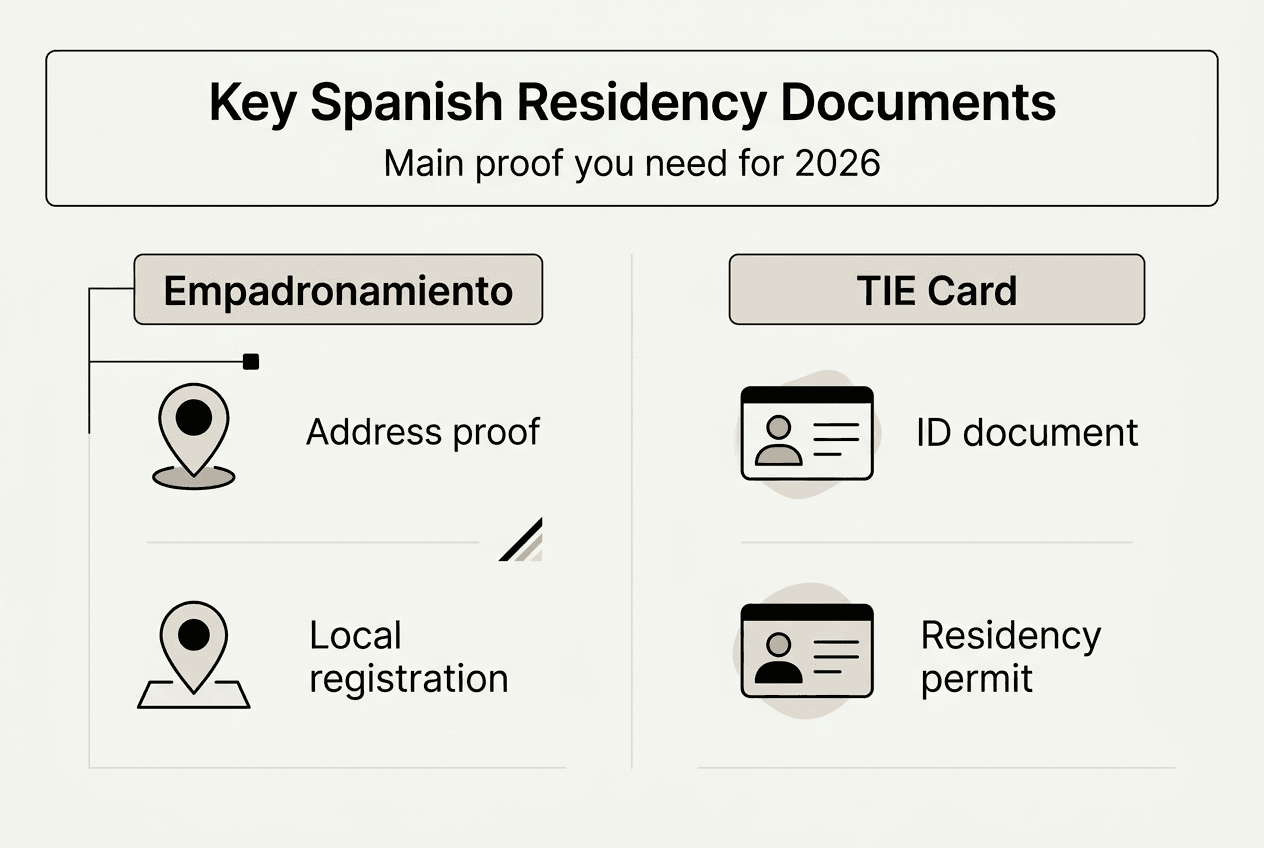
Before you can effectively review your residency documentation, you need to know which documents actually matter and what role each one plays in your legal status. The two most critical pieces of paperwork for anyone living in Spain are your empadronamiento and your Tarjeta de Identidad de Extranjero (TIE).
Living legally in Spain shouldn't be difficult.
View services and pricesNot sure which procedure you need? Find out in 2 min
Questions? Message us on WhatsApp
Empadronamiento is your municipal registration that proves you live at a specific address in Spain. Think of it as your official entry into the Spanish administrative system. This document isn’t just a formality; it serves as the foundation for calculating your residency period when you apply for long-term permits, arraigo, or even Spanish citizenship down the road. The date stamped on your empadronamiento certificate becomes your official start date for residency seniority, which is why registering as early as possible matters so much.
The TIE card, on the other hand, is your physical residency card as a foreigner. It includes your photo, fingerprints, residency type, and expiration date. While the TIE proves your legal authorization to stay in Spain, it doesn’t replace your empadronamiento. Both documents serve different purposes and you need both to fully establish your residency status.
Here’s what makes these documents work together:
- Empadronamiento proves where you live and establishes your residency timeline
- TIE proves your legal authorization and residency category
- Combined, they grant you access to healthcare, education, and other public services
- Each document must be kept current and accurate to maintain your legal status
Pro Tip: Don’t wait for your TIE to arrive before registering your empadronamiento. Your passport is sufficient for municipal registration, and starting early preserves every month of residency seniority. Delaying this step can cost you years when you eventually apply for arraigo social or citizenship.
Understanding these foundational documents sets you up to review them properly. Many people assume the TIE is all they need, but without proper empadronamiento, you’ll face barriers accessing services and building the residency history Spain requires for permanent status. If you’re still working through the initial NIE application process, make empadronamiento registration your next priority once you have any valid identification document.
Step-by-step guide to reviewing your residency documents correctly
Now that you understand which documents matter, let’s walk through the exact process for verifying everything is accurate and complete. Following these steps systematically ensures you catch errors before they cause problems with your residency status or service access.
-
Check your empadronamiento certificate first. Verify the registration date matches when you actually started living at your current address. This date determines your residency seniority for future applications, so any error here could delay your eligibility for arraigo or citizenship by months or years.
-
Examine your TIE card details carefully. Look for your full legal name spelled exactly as it appears on your passport, your correct date of birth, and the residency category that matches your authorization. Check the expiration date and mark it in your calendar with a reminder at least 60 days before it expires.
-
Cross-reference both documents against each other. Your name and personal details should match perfectly across your empadronamiento, TIE, and passport. Any discrepancy, even a minor spelling variation, can create complications when accessing services or renewing permits.
-
Create and maintain a complete document file. Make high-quality photocopies and digital scans of every residency-related document you receive. Store physical copies in a waterproof folder and keep digital versions in a secure cloud storage service you can access from anywhere.
-
Use this verification checklist to confirm nothing is missing:
| Document | What to verify | Action if incorrect |
|---|---|---|
| Empadronamiento certificate | Registration date, current address, full legal name | Visit your local municipal office with proof of residence |
| TIE card | Expiration date, residency type, name spelling | Contact immigration office or legal advisor immediately |
| Passport | Valid for at least 6 months, matches TIE details | Renew through your country’s consulate in Spain |
| Proof of residence | Current utility bills or rental contract in your name | Update with landlord or utility companies |
- Schedule regular review sessions. Set a recurring calendar reminder every three months to pull out all your residency documents and verify they’re still current and accurate. This habit catches expiring documents before they lapse and gives you time to gather renewal paperwork.
Pro Tip: If you change addresses, update your empadronamiento within 30 days of moving. Failing to do this can interrupt your residency timeline and cause you to lose access to your assigned healthcare center and other municipal services tied to your registered address.
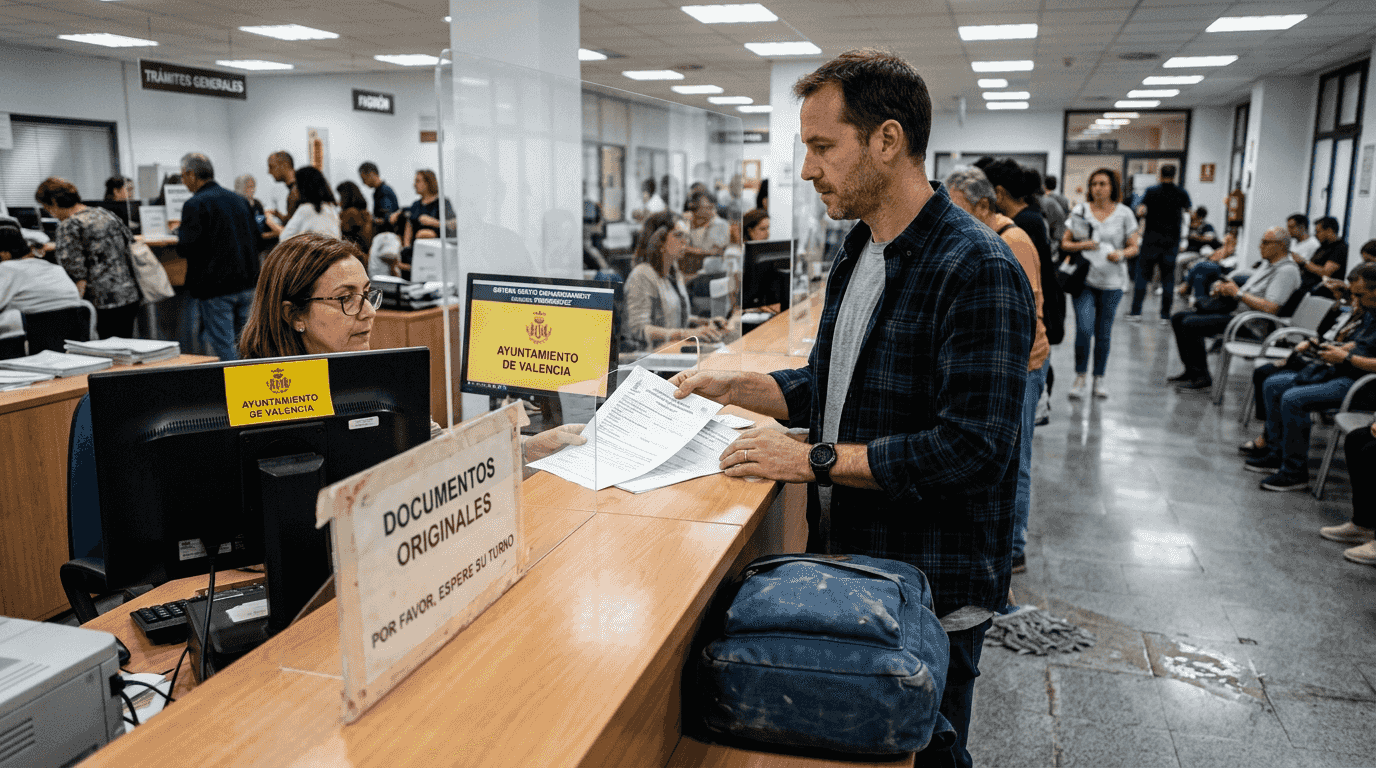
If you discover any errors or inconsistencies during your review, don’t ignore them hoping they’ll resolve themselves. Contact your local municipal office for empadronamiento issues or consult with immigration specialists for TIE-related problems. The Vive Legal blog offers detailed guides on correcting common documentation errors and navigating the administrative processes involved. Taking action quickly prevents small mistakes from becoming major obstacles when you need to renew permits or apply for arraigo social status.
Common mistakes and how to avoid them when managing residency documentation
Even with the best intentions, many people make preventable errors that complicate their residency status or delay important applications. Recognizing these common pitfalls helps you sidestep them entirely.
The single biggest mistake is waiting for your TIE card before registering your empadronamiento. This delay can cost you months or even years of official residency seniority because your timeline starts from your empadronamiento date, not when you first arrived in Spain or received your TIE. Your passport is sufficient for municipal registration, so there’s no valid reason to postpone this critical step.
Here are other frequent errors and how to avoid them:
- Failing to keep copies of all documents: Many people assume they can always request duplicates, but some offices charge fees or require appointments that delay your access to needed paperwork. Scan everything the day you receive it.
- Not updating empadronamiento after moving: Your municipal registration must reflect your actual current address. Living somewhere different from your registered address can invalidate your empadronamiento and interrupt your residency timeline.
- Overlooking expiration dates: Residency cards, work authorizations, and student permits all have expiration dates that require renewal applications months in advance. Missing these deadlines can force you to leave Spain or start your residency process over from scratch.
- Ignoring official correspondence: Letters from immigration offices, municipal authorities, or the national police often contain time-sensitive requests or notifications about your residency status. Set up mail forwarding and check your registered address regularly.
- Assuming all documents remain valid indefinitely: Even your empadronamiento certificate can become outdated if you haven’t renewed it within the timeframe your municipality requires, typically every one to two years depending on local regulations.
Another critical mistake is neglecting to verify that your personal information matches across all documents. A simple typo in your name on one document can create cascading problems when you try to access healthcare, enroll children in school, or apply for residency renewals. Always compare your empadronamiento, TIE, and passport side by side to catch any discrepancies immediately.
If you’re a student, don’t forget that your residency status may require annual renewals even if your TIE card shows a longer validity period. Check the specific conditions of your authorization and set reminders well before any deadlines. The NIE renewal process for students has specific requirements that differ from work-based residency permits.
What to expect after reviewing your residency documents
Once you’ve verified all your paperwork is accurate and current, you unlock access to the full range of services and benefits Spain offers residents. Proper documentation does more than just keep you legally compliant; it opens doors to healthcare, education, and financial services that make living in Spain significantly easier.
With correct empadronamiento and TIE documentation, you can register with the public healthcare system and receive a SIP health card. This grants access to your assigned primary care doctor and specialist referrals at no direct cost. Without proper registration, you’re limited to private clinics or emergency services, which can be expensive and don’t provide continuity of care.
Here’s what proper versus improper documentation means for accessing services:
| Service | With proper documentation | Without proper documentation |
|---|---|---|
| Public healthcare | Full access to primary care, specialists, and prescriptions | Emergency care only, private clinic fees |
| School enrollment | Children can attend public schools at no tuition cost | Limited to private schools with high fees |
| Transport discounts | Eligible for resident rates on public transportation | Must pay tourist or visitor rates |
| Banking services | Can open standard accounts and access credit products | Limited to basic accounts with restrictions |
Beyond immediate service access, maintaining accurate residency documentation positions you for important legal milestones. Your empadronamiento timeline determines when you become eligible for long-term residence permits, which eventually lead to permanent residency and citizenship options. Every month of properly registered residency counts toward these thresholds.
After verifying your documents, take these next steps:
- Schedule your healthcare registration if you haven’t already done so
- Enroll children in school or daycare programs using your empadronamiento certificate
- Apply for resident transport cards to access discounted public transportation
- Open a Spanish bank account if you’re still using international banking services
- Set calendar reminders for all document expiration dates with 90-day advance warnings
- Research eligibility requirements for your next residency milestone, whether that’s EU registration, arraigo, or long-term residence
Proper documentation also simplifies everyday tasks like signing rental contracts, setting up utility accounts, and accessing municipal services like libraries and sports facilities. Landlords and service providers require proof of legal residency, and having your paperwork in order eliminates delays and complications.
If you’re planning to stay in Spain long-term, understanding the pathway from temporary residence to permanent status becomes crucial. Your empadronamiento certificate serves as the primary evidence of continuous residence when you apply for these permits. Keeping it current and accurate throughout your time in Spain ensures you don’t lose months or years of qualifying residency due to administrative gaps. For those just starting their journey, reviewing the complete NIE application guide helps you understand how initial documentation connects to long-term residency goals.
Get professional help managing your residency in Spain
While reviewing your own documents is essential, navigating Spain’s residency system can quickly become complex, especially when dealing with renewals, status changes, or error corrections. Professional legal assistance eliminates guesswork and significantly reduces the risk of costly mistakes that could jeopardize your residency status.
Vive Legal specializes in streamlining immigration procedures for expatriates, workers, and students throughout Spain. Their digital platform combines AI-powered document review with expert legal oversight to catch errors before submission, increasing your approval chances while saving you time. Whether you need help with arraigo social applications, TIE renewals, or simply want peace of mind that your paperwork is correct, their team handles everything from form preparation to appointment scheduling. Visit Vive Legal to get a personalized assessment of your residency situation and discover how professional guidance can simplify your path to secure legal status in Spain for 2026 and beyond.
Frequently asked questions
How long does it take to register for empadronamiento in Spain?
Most municipal offices process empadronamiento registrations within a few days to two weeks, though timing varies based on local workload and appointment availability. Some cities offer same-day registration if you bring all required documents and visit during less busy hours. Start the process as soon as you have a confirmed address and valid identification to avoid delays that could affect your residency timeline.
Can I use my passport instead of a residency card to register empadronamiento?
Yes, your passport is sufficient for empadronamiento registration, and you should never wait for your TIE to arrive before completing this step. Delaying registration until you receive your residency card can cost you months or years of official residency seniority. Municipal offices accept passports as valid identification for establishing your registration, so schedule your appointment as soon as you move into your Spanish residence.
What happens if I don’t update my empadronamiento after moving?
Failing to update your municipal registration after changing addresses can cause serious problems with service access and legal status. You’ll lose access to your assigned healthcare center and may face difficulties receiving official correspondence about your residency. More critically, gaps in your empadronamiento timeline can disqualify months or years of residency when you apply for long-term permits or citizenship. Always update your registration within 30 days of any move.
How often should I renew my empadronamiento certificate?
Renewal requirements vary by municipality, but most Spanish cities require empadronamiento renewal every one to two years to confirm you still live at the registered address. Check with your local municipal office about their specific policies and set a calendar reminder to renew before your certificate expires. Some residency applications require a recently issued empadronamiento certificate dated within the past three months, so keeping yours current ensures you’re always prepared.
What should I do if I find an error on my TIE card?
Contact immigration authorities or a legal advisor immediately if you discover any error on your residency card, no matter how minor it seems. Name misspellings, incorrect dates, or wrong residency categories can all cause problems when accessing services or renewing your permit. Don’t attempt to use a TIE card with errors, as this can complicate your legal status. Professional services can help you navigate the correction process efficiently and ensure your replacement card arrives without unnecessary delays.
Recommended
Living legally in Spain shouldn't be difficult.
View services and pricesNot sure which procedure you need? Find out in 2 min
Questions? Message us on WhatsApp