
Steps to obtain a TIE card in Spain: your 2026 guide
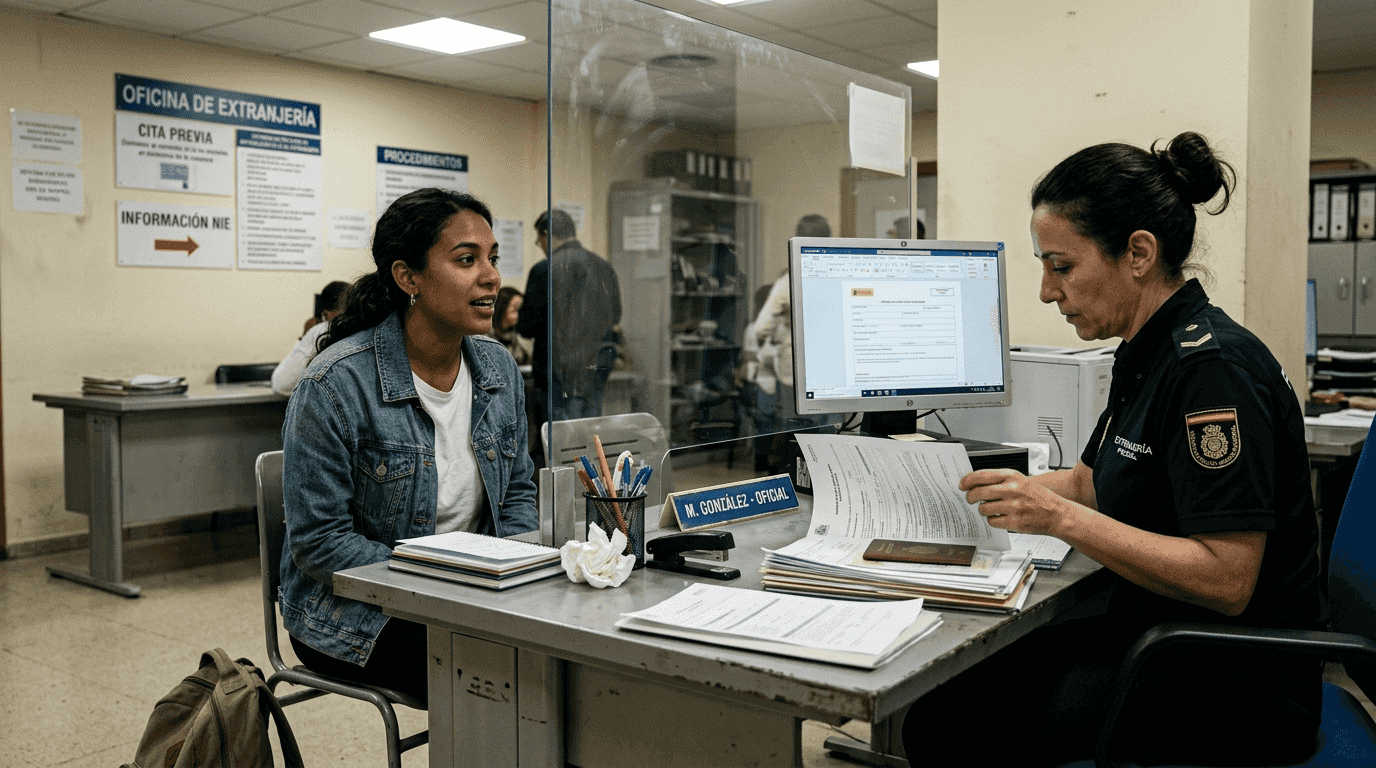
Many newcomers to Spain mistakenly believe their NIE number is the same as a TIE card. The TIE is actually a physical residence card that proves your legal right to stay in Spain, and it’s mandatory for non-EU nationals residing over six months. Without it, you risk irregular status even with a valid visa. This guide walks you through the complete application process in 2026, from document preparation to card collection, so you can secure your legal residency efficiently.
Table of Contents
- What Is The TIE And Why Is It Essential For Residents In Spain?
- Prepare Your Documents: The Mandatory Criteria Before Application
- Booking Your Appointment And Submitting Your Application
- Tracking Your TIE Card And Collection Process: What To Expect
- Comparison And Final Tips For A Smooth TIE Application In 2026
- Get Expert Help With Your TIE Application At Vive Legal
- Frequently Asked Questions
Key takeaways
| Point | Details |
|---|---|
| TIE confirms legal residence | The TIE is Spain’s official residence card for non-EU nationals proving lawful stay beyond six months. |
| Mandatory application | You must apply in person after booking an appointment through the official government portal. |
| Essential documents needed | Prepare passport, visa approval, EX-17 form, fee payment proof, photos, and address registration. |
| Biometric data required | Your fingerprints and photo are collected during the appointment for card production. |
| Processing and collection | Typical processing takes 2-6 weeks depending on location, with pickup at the issuing office. |
What is the TIE and why is it essential for residents in Spain?
The TIE (Tarjeta de Identidad de Extranjero) is a physical card that serves as your official proof of legal residence in Spain. Unlike the NIE, which is simply a tax identification number assigned to foreigners, the TIE includes your NIE but also displays your photo, fingerprints, and specific permit details. Think of the NIE as your identification number, while the TIE is the card that validates your entire residency status.
Living legally in Spain shouldn't be difficult.
View services and pricesNot sure which procedure you need? Find out in 2 min
Questions? Message us on WhatsApp
Spanish law requires non-EU citizens staying longer than six months to obtain a TIE card. This regulation applies whether you’re in Spain for work, study, family reunification, or other long-term purposes. The card becomes your primary identity document within Spain, replacing your passport for most domestic transactions.
Failing to obtain your TIE creates serious complications. Your stay could be considered irregular even if you entered Spain legally with a student or work visa. This irregular status restricts your access to essential services and can jeopardize future visa renewals or residency applications.
The TIE unlocks access to critical services throughout Spain:
- Healthcare enrollment in the public system
- Opening bank accounts and signing rental contracts
- Registering for education programs
- Proving your legal status to employers
- Traveling within the Schengen zone
Without a valid TIE card, landlords may refuse to rent to you, banks may decline account applications, and healthcare providers may limit your coverage to emergency services only.
Your TIE card essentially becomes your Spanish identity document, so keeping it current is as important as maintaining a valid passport. For comprehensive support navigating Spain’s residency requirements, explore our immigration guides or review the official TIE guide for detailed regulations.
Prepare your documents: the mandatory criteria before application
Gathering the correct documentation before your appointment prevents delays and rejections. The Spanish immigration system is strict about document requirements, and missing even one item can force you to reschedule your appointment, potentially adding weeks to your timeline.
Applicants need passport, visa approval copies, EX-17 form, proof of fee payment, photos, empadronamiento if required, and proof of entry. Here’s exactly what you need:
- Valid passport with at least six months validity and copies of all pages with stamps or visas
- Original visa approval letter or residence authorization from your home country consulate
- Completed EX-17 application form (Solicitud de Tarjeta de Identidad de Extranjero)
- Proof of payment for the TIE application fee (Modelo 790, Código 012)
- Three recent passport photos meeting Spanish biometric standards (white background, no glasses, neutral expression)
- Empadronamiento certificate (proof of address registration) if required by your province
- Proof of legal entry into Spain (passport stamp or boarding pass)
The EX-17 form is available online through official government channels. Fill it out completely and accurately, as errors require resubmission. You’ll need to pay the processing fee at a bank before your appointment, typically around €15-20, and bring the stamped receipt as proof.
Empadronamiento requirements vary by province. Some Oficinas de Extranjería require proof that you’ve registered your address with your local town hall, while others don’t enforce this strictly. Check with your specific office when booking your appointment to avoid surprises. For streamlined TIE application services that verify all requirements, professional assistance can save you time and stress.
Photo specifications are stricter than typical passport photos. The image must be recent (within six months), show your full face without shadows, and meet exact size requirements (32x26mm). Many applicants get rejected for incorrect photos, so use a professional photo service familiar with Spanish biometric standards.
Pro Tip: Create a checklist and organize your documents in a folder the day before your appointment. Make two copies of everything, keeping one set as backup. Verify that all documents are current and that signatures match across forms.
Province-specific variations exist, so always confirm requirements with your local Oficina de Extranjería. Madrid and Barcelona may have slightly different document lists compared to smaller cities. If you’re also pursuing arraigo social or other residency pathways, ensure your TIE application aligns with those processes for consistency.
Booking your appointment and submitting your application
The appointment booking system is entirely digital, and slots fill quickly in major cities. Understanding the process helps you secure an appointment faster and avoid common pitfalls that delay applications.
Applications for the TIE are managed through the Spanish Government’s official website and require online booking. Follow these steps precisely:
-
Access the official appointment portal and select your province from the dropdown menu. Create an account or log in if you’ve used the system before.
-
Choose “Policía-Expedición de Tarjeta de Identidad de Extranjero” from the appointment type list. Select the nearest police station or Oficina de Extranjería to your registered address.
-
Check availability across multiple dates and times. Appointments in cities like Madrid, Barcelona, and Valencia often book out 4-6 weeks in advance. If no slots appear, check daily as cancellations open new spots.
-
Confirm your appointment and print the confirmation page. Bring this document to your appointment along with all required materials.
-
Arrive 15 minutes early on your appointment day. Late arrivals may forfeit their slot without rescheduling options. Bring all original documents plus copies.
During your appointment, immigration officers will verify your documents against a checklist. They’ll examine your passport, visa authorization, and payment proof first. Any discrepancies or missing items result in immediate rejection, requiring you to book a new appointment and start over.
After document verification, you’ll provide biometric data. This includes digital fingerprints from both hands and a photograph taken at the office. The biometric capture takes about 10 minutes and feeds directly into Spain’s immigration database. Your fingerprints link to your NIE number and appear on your physical TIE card.

Once biometrics are complete, you’ll receive a receipt (resguardo) confirming your application submission. This receipt includes an estimated pickup date for your TIE card, typically 4-6 weeks from submission. Keep this document safe, as you’ll need it to collect your card.
Pro Tip: Screenshot your appointment confirmation and save the PDF to your phone. If the website crashes or you lose the printout, you’ll still have proof of your scheduled time. Some offices accept digital confirmations on mobile devices.
For expert support throughout the booking and submission process, TIE appointment assistance ensures you meet all requirements and avoid costly mistakes that delay your residency status.
Tracking your TIE card and collection process: what to expect
After submitting your application, the waiting period begins. Processing times vary significantly based on location, time of year, and office workload, but you can track progress and prepare for collection.
Typical processing ranges from 2-6 weeks, though some provinces complete applications in as little as 10 days while others take up to 8 weeks during peak immigration periods. Summer months and September see higher volumes as students and seasonal workers apply simultaneously.
You can check your application status through three methods:
- Online portal using your receipt number and NIE
- Phone inquiry to your local Oficina de Extranjería (expect long wait times)
- In-person visit during office hours (not recommended unless urgent)
The online tracking system updates weekly, showing stages like “En tramitación” (processing), “Resuelto favorablemente” (approved), and “Listo para recoger” (ready for pickup). The TIE card displays your photo, fingerprints, NIE, and permit type once production is complete.
When your card is ready, you’ll receive notification via the contact method provided during application (usually SMS or email). You must collect your TIE in person at the same office where you submitted your application. Bring these items for pickup:
- Original receipt from your application appointment
- Valid passport
- Another form of photo ID if available
Some offices allow a legal representative to collect your card with a notarized power of attorney, but policies vary. Call ahead if you cannot collect it personally.
| City | Average Processing Time | Appointment Availability |
|---|---|---|
| Madrid | 3-4 weeks | 4-6 weeks out |
| Barcelona | 4-6 weeks | 5-8 weeks out |
| Valencia | 2-3 weeks | 2-4 weeks out |
| Seville | 2-4 weeks | 1-3 weeks out |
Delays typically stem from incomplete documentation, high application volumes, or administrative backlogs during holiday periods. To minimize wait times, apply immediately after arriving in Spain rather than waiting until your visa expiration approaches. For real-time TIE card status updates and processing insights, following immigration news helps you anticipate delays.
Once you collect your card, verify all information immediately before leaving the office. Check that your name, photo, NIE number, and permit expiration date are correct. Errors must be corrected on the spot, as returning later requires additional appointments.
Comparison and final tips for a smooth TIE application in 2026
Understanding regional variations and common challenges helps you optimize your application strategy. Requirements and appointment availability vary by province, making local research essential for success.
| Factor | Madrid | Barcelona | Smaller Cities |
|---|---|---|---|
| Appointment wait time | 4-6 weeks | 5-8 weeks | 1-3 weeks |
| Empadronamiento required | Yes, strictly enforced | Yes, strictly enforced | Sometimes optional |
| Processing speed | 3-4 weeks | 4-6 weeks | 2-3 weeks |
| English support | Limited | Limited | Rare |
Major challenges applicants face include securing appointments during peak seasons, navigating language barriers at immigration offices, and understanding province-specific documentation requirements. Many applicants underestimate the importance of exact photo specifications, leading to rejections even when all other documents are perfect.
Common documentation errors that cause delays:
- Expired passport or passport with less than six months validity
- Photos that don’t meet biometric standards (wrong size, background color, or facial expression)
- Incomplete EX-17 forms with missing signatures or incorrect information
- Payment receipts from the wrong fee code or insufficient amount
- Missing empadronamiento in provinces where it’s mandatory
Pro Tip: Book your appointment the moment you arrive in Spain, even if your documents aren’t perfectly ready. Appointment slots are harder to secure than gathering documents, and you can always reschedule if needed. Check the portal daily at midnight when new slots often appear.
Staying compliant means tracking your TIE expiration date and starting renewal processes 60 days before expiration. Late renewals can result in fines, gaps in legal status, or complications with future applications. Set calendar reminders for both your renewal date and the 60-day warning.
If you’re managing multiple immigration procedures simultaneously, such as NIE applications or EU registration, coordinate timelines to avoid scheduling conflicts. Professional services can manage these parallel processes efficiently, ensuring all deadlines align.
Pro Tip: Join expat forums and local Facebook groups for your city. Recent applicants share real-time information about appointment availability, office-specific requirements, and processing times that official sources don’t publish. This crowdsourced intelligence is invaluable for planning.
For complex cases involving family members, employment changes, or unique visa situations, professional guidance reduces errors significantly. Review the detailed TIE process overview for comprehensive regulatory context, or consult with immigration specialists who understand current 2026 requirements.
Get expert help with your TIE application at Vive Legal
Navigating Spain’s immigration system alone can be overwhelming, especially when language barriers and complex requirements create uncertainty. Vive Legal specializes in streamlining TIE applications with professional document verification, form preparation, and submission support tailored to your specific province.
Our platform combines AI-powered document review with expert legal oversight, catching errors before they cause delays. Many clients receive application-ready document packages within 24 hours, complete with personalized checklists for their local Oficina de Extranjería. We also offer extraordinary regularization services for complex immigration situations requiring specialized attention.
Whether you’re applying for your first TIE or managing renewals, our secure client portal tracks every stage of your case with real-time notifications. We handle appointment booking coordination, deadline management, and follow-up communications so you can focus on settling into your new life in Spain. Visit Vive Legal to start your personalized immigration assessment today.
Frequently asked questions
What is the difference between the TIE and NIE?
The NIE (Número de Identidad de Extranjero) is simply a tax identification number assigned to all foreigners in Spain, whether they’re residents or not. The TIE is a physical residence card that includes your NIE number but also proves your legal right to live in Spain beyond six months. You can have an NIE without a TIE, but you cannot have a TIE without an NIE. Think of the NIE as your identification number and the TIE as the card that validates your residency status. For more details on obtaining your NIE, explore our dedicated guide.
Where do I apply for the TIE card in Spain?
You must book an appointment online through the official Spanish Government portal by selecting your province and choosing the TIE card application option. Applications and appointments are managed through this official website for all provinces. Your application is submitted in person at designated police stations or Oficinas de Extranjería in your area. The specific office depends on your registered address, so always apply at the location corresponding to your empadronamiento.
What happens if I don’t have a TIE card while residing in Spain?
Without a TIE card, your stay can be considered irregular, creating serious legal and practical problems. You’ll face restricted access to healthcare beyond emergency services, difficulty opening bank accounts, and challenges signing rental contracts or employment agreements. Immigration authorities may question your legal status during routine checks, potentially leading to fines or deportation proceedings. Additionally, lacking a TIE can harm your chances of renewing visas or applying for permanent residency in the future. Always obtain your TIE within the legal timeframe after arriving in Spain.
How do I renew or update my TIE card if my residency status changes?
Renew your TIE before its expiration date by booking a new appointment at the same police station or Oficina de Extranjería where you obtained the original card. You’ll need to provide updated documentation reflecting your current residency or work status, such as a new employment contract, proof of continued studies, or family reunification papers. The renewal process follows similar steps to the initial application, including biometric data collection and document verification. For faster processing and compliance assurance, professional TIE renewal services can manage the entire process and ensure you meet all deadlines without gaps in your legal status.
Recommended
Living legally in Spain shouldn't be difficult.
View services and pricesNot sure which procedure you need? Find out in 2 min
Questions? Message us on WhatsApp