
7 Top Legal Tips for Expatriates in Spain You Need

Applying for Spanish residency can quickly feel overwhelming. From choosing the right visa to keeping up with shifting rules, every mistake adds stress and delays to your plans. Recent updates mean those aiming to live long-term in Spain now face stricter financial checks and new digital application systems, making old advice unreliable.
This list will walk you through clear, reliable steps to improve your approval chances under Spain’s updated residency process. You’ll discover how to pick the visa that fits your unique situation, organize the correct documents, master the digital systems coming in 2026, and avoid the missteps that cost expats time and money.
Living legally in Spain shouldn't be difficult.
View services and pricesNot sure which procedure you need? Find out in 2 min
Questions? Message us on WhatsApp
Get ready for a practical guide packed with actionable tips and insider details designed to turn this intimidating process into a manageable set of tasks. Knowledge of these proven strategies puts you one step ahead in securing your place in Spain.
Table of Contents
- Understand Spain’s Residency Options Before Applying
- Gather and Verify All Required Legal Documents
- Book and Prepare for Immigration Office Appointments
- Stay Updated on Changing Residency Laws and Rules
- Use Digital Tools for Document Tracking and Notifications
- Know Your Rights for Renewals and Appeals
- Seek Accredited Legal Help for Complex Cases
Quick Summary
| Takeaway | Explanation |
|---|---|
| 1. Understand Your Residency Type | Different residency options exist based on your personal situation. Choosing the right one saves time and prevents complications. |
| 2. Document Collection is Crucial | Gather required legal documents early and verify their accuracy, as missing items can delay your application significantly. |
| 3. Book Appointments Early | Immigration office appointments are competitive; check availability frequently to secure a timely slot. |
| 4. Stay Informed on Legal Changes | Keep up with evolving residency laws to avoid pitfalls; rules can change rapidly, requiring adjustments to your application approach. |
| 5. Seek Professional Help When Needed | For complicated cases, hiring an accredited immigration lawyer can improve your chances of approval significantly. |
1. Understand Spain’s Residency Options Before Applying
Before you submit a single document, you need to understand what type of residency actually fits your situation. Spain offers multiple pathways, and picking the wrong one wastes time and money. Each option has different requirements, processing timelines, and benefits.
The most common choice for workers is the non-lucrative visa if you have passive income, or the work visa if you have a job offer. Digital nomads might qualify for the new Remote Worker visa introduced in 2023. EU citizens have simpler options through EU freedom of movement rules. Students need specific documentation tied to their enrollment. Self-employed individuals or entrepreneurs follow a different track entirely.
Your eligibility depends on several factors including your nationality, income level, employment status, and family situation. Understanding Spain’s residency types helps you identify which pathway matches your circumstances. A tech professional from Canada with remote employment income has different options than a retiree from Australia living off investments.
The processing time varies significantly by residency type. Some applications take 2 to 3 months while others stretch to 6 months or longer. Choosing the right category from the start prevents costly delays and resubmissions. You also need to consider what happens after your initial residency period expires and whether you want to transition to permanent settlement.
Most expatriates overlook one critical detail: your residency choice affects your tax obligations, healthcare access, and ability to bring family members. The non-lucrative visa comes with restrictions on working for Spanish employers. Work visas tie you to a specific employer initially. Understanding these implications before applying keeps you from discovering problems after approval.
Pro tip: Document your income sources and employment status clearly before consulting about your options, since these factors determine which residency types you actually qualify for.
2. Gather and Verify All Required Legal Documents
Document collection is where most applications stumble. You might have the right residency type, but missing or incorrect documents will send your application back to square one. Spanish authorities require specific originals, copies, and translations that follow exact specifications.
Start by identifying what you actually need based on your residency category. A valid passport or identity document is non-negotiable. Beyond that, you’ll need proof of financial means which varies by visa type. Employment contracts, study certificates, health insurance documentation, and proof of accommodation round out the core requirements. The document preparation workflow for Spain outlines which items apply to your situation.
Here’s what catches people off guard: foreign documents must be apostilled and officially translated into Spanish. An apostille is a special certification that confirms a document’s authenticity under the Hague Convention. Simply having a document notarized at home won’t work. You need to request apostilles from the government agency that issued your document, whether that’s your state’s Secretary of State, your country’s Ministry of Foreign Affairs, or your local civil registry.
Translations matter just as much as apostilles. Spain requires certified translations by professional translators registered with Spanish authorities. Google Translate or your bilingual friend won’t cut it. Budget extra time for this process, especially if you’re dealing with documents from multiple countries. Some documents take weeks to receive apostilles, so start this immediately.
Verification means checking each document against the official requirements for your specific residency type. Review it three times. Check expiration dates, spelling of your name, and whether you have both originals and certified copies. Missing one item from a checklist can delay your application by months. Create a physical or digital folder organized by category and keep a checklist you mark off as each document is ready.
Pro tip: Request apostilles and translations for all foreign documents before your official application submission, since these typically take 4 to 8 weeks and delays here directly push back your entire residency timeline.
3. Book and Prepare for Immigration Office Appointments
Getting an appointment at Spain’s immigration office is its own challenge. You cannot simply walk in and expect to be seen. Every residency application requires a scheduled appointment called a Cita Previa, which you book through the Spanish government’s online system.
The booking process happens on the official portal for your provincial immigration office. You select your province, choose the type of procedure you need, and the system shows available dates. Here’s the reality: popular provinces fill up weeks or months in advance. Madrid and Barcelona appointments can disappear within hours of becoming available. You’re competing with hundreds of other applicants for limited slots.
When appointments are fully booked, you have legitimate strategies. Check the booking system multiple times daily, especially early mornings and late evenings when people cancel. Consider traveling to a less crowded province nearby if you have flexibility. Some provinces have shorter wait times than others. This requires research into your options, but the time investment pays off when you secure an appointment three months earlier than expected.
Prepare for your appointment like you’re meeting a government inspector because you are. Bring original documents and copies of everything on your checklist. Arrive 15 minutes early with your paperwork organized and easy to access. Spanish immigration officers appreciate efficiency. They review your documents, verify your information, and either approve your submission or request additional materials.
Understanding the step-by-step Spanish residency application process helps you know what happens at your appointment and what comes after. You’ll learn what documents the officer will examine first and common reasons applications get rejected at this stage. This knowledge prevents last-minute surprises and increases your approval chances.
After your appointment, you’ll receive a reference number and timeline for when you should expect results. Keep this number safe. You’ll use it to track your application status online. Most processing takes 2 to 3 months from your appointment date, though some cases move faster.
Pro tip: Set phone reminders to check appointment availability every morning at 9 AM when new slots typically release, and bookmark your provincial immigration office website so you can access it instantly when slots open up.
4. Stay Updated on Changing Residency Laws and Rules
Spain’s residency laws are not static. They evolve regularly, and missing an important change can cost you money, time, or your residency status. What worked for your friend last year might not apply to your situation today. Staying informed isn’t optional for serious expatriates.
Major changes are coming in 2026 that will reshape how residency applications work. Spain is implementing a new digital residency system designed to unify procedures across regions and reduce bureaucratic inconsistencies. This centralized platform will streamline applications but also means learning new processes. Financial requirements for certain visa types are becoming stricter. Some older schemes like the golden visa are being phased out entirely. New residency categories are emerging, including options focused on socio-laboral integration.
Why does this matter for you right now? If you’re planning to apply in 2025 or 2026, the rules governing your application might change before you submit. Financial thresholds for non-lucrative visas could increase. Digital nomad visa requirements might tighten. The systems you use to book appointments and submit documents could be completely different. Waiting for clarity often means missing application windows.
The practical reality is that steps to renew residency in Spain evolve as regulations shift. If you already have residency and need to renew, understanding current rules versus upcoming changes helps you plan timing strategically. Some expatriates renew early to lock in older, more favorable terms before new rules take effect.
Monitor official Spanish government websites regularly. Follow immigration law updates from reputable sources. Join online communities where experienced expatriates share real time information about changes. Subscribe to newsletters from immigration services or legal consultancies. Your email inbox becomes your early warning system for important updates.
Don’t assume your neighbor’s experience applies to your situation. Document the date when you research a rule. Screenshot official government pages. Save links to laws you reference. When you work with any immigration consultant, verify they understand 2026 reforms and how those changes affect your specific case.
Pro tip: Set a quarterly calendar reminder to review the latest Spanish immigration law updates on administracion.gob.es, since changes often roll out without major announcements and early awareness gives you months to adjust your plans.
5. Use Digital Tools for Document Tracking and Notifications
Tracking your residency application manually is exhausting and error prone. You’re left checking emails, calling offices, and wondering if something got lost in the system. Digital tools eliminate this uncertainty by giving you real time visibility into your case status and automatic notifications when things change.
Spain recognizes this problem and is addressing it head on. The new digital residency platform launching in 2026 will unify visa applications, document uploads, and case tracking across all provinces in one centralized system. This means no more juggling different regional portals or wondering which office actually has your file. Real time status updates will show you exactly where your application stands.
Even before 2026 arrives, you should use available digital tools now. Track your Cita Previa appointment confirmation and reference number in a secure digital file. Save your application submission confirmations with timestamps. Screenshot official communications from immigration offices. These documents become your proof if anything gets disputed or lost.
Proactive notification systems save your sanity. Set calendar reminders for important deadlines like document expiration dates or application decision timelines. Create a spreadsheet tracking when you submitted each document, what you submitted, and when you expect responses. Some immigration consultancies offer client portals where you can upload documents and receive notifications about your case status without constant manual checking.
The psychological benefit matters too. Knowing your application is moving forward reduces anxiety. Notifications eliminate the guessing game about whether officials received your documents or whether they’re requesting something you missed. You can plan your next steps confidently instead of living in limbo.
When 2026 arrives and Spain’s centralized digital system launches, you’ll have a significant advantage. Tech savvy expatriates who understand digital workflows will navigate the new platform faster than those unfamiliar with online case management. Start building these habits now.
Pro tip: Create a dedicated digital folder with subfolders for each stage of your application, storing all confirmations, reference numbers, and communications in one organized location you can access from any device.
6. Know Your Rights for Renewals and Appeals
Many expatriates believe that missing a renewal deadline or receiving a rejection means the end of their Spanish residency. That’s not how it actually works. Spain’s renewal and appeals processes offer you significant protections and second chances if you understand your rights.
First, understand what happens when renewal deadlines pass. Failing to submit your renewal on time does not automatically cancel your residency status. You won’t wake up undocumented because paperwork arrived late. However, you may face sanctions and complications if you delay too long. The key is knowing the official deadlines and submitting before the cutoff whenever possible. Spain’s updated renewal rules for long-term residence cards clarify these protections and obligations so you stay legally compliant.
Renewal deadlines typically fall 60 days before your current residency document expires. Mark this date clearly on your calendar. If you submit your renewal application before this deadline, you’re protected even if the decision comes after your document technically expires. This grace period exists specifically to protect people from bureaucratic delays beyond their control.
What if your application gets rejected? You have appeal rights. Rejections usually come with explanations about what went wrong. Common reasons include missing documents, financial requirements not met, or administrative errors. Each reason has a remedy. You can submit additional documentation, reapply with corrected information, or formally appeal the decision. Don’t accept a rejection as final without understanding why it happened.
The appeals process varies by province but generally includes filing an administrative complaint within specific timeframes. You typically have 30 days from receiving a rejection to initiate an appeal. This window matters. Missing it closes your legal options. Keep all official communications about your application, including rejection letters with dates. These documents are your evidence for appeals.
Consider working with an immigration specialist for renewals and appeals. The financial investment in professional guidance often costs far less than losing residency status through procedural mistakes. Specialists understand provincial variations and can identify winning arguments that individuals might overlook.
Pro tip: Set two calendar reminders for renewal deadlines: one 120 days before expiration as a warning, and another 65 days before as your final submission deadline to give yourself cushion time for document preparation.
7. Seek Accredited Legal Help for Complex Cases
Some residency cases are straightforward. You have clean documentation, clear income sources, and no complications. Other cases are messier. Family reunification, work permit transitions, appeals after rejections, or irregular status situations require expertise that goes beyond general knowledge. Knowing when to hire accredited legal help is a critical decision that affects your success.
Complex cases benefit enormously from professional guidance. Work permits tied to specific employers involve labor law complexities that extend beyond standard residency rules. Family reunification requires understanding spousal rights, dependent children definitions, and financial thresholds that vary by family structure. Non-lucrative visas demand careful documentation of passive income sources that satisfy Spanish authorities. Appeals after rejection need strategic arguments based on case law and administrative precedent. These situations expose weaknesses in DIY approaches.
Accredited immigration lawyers understand procedural nuances that catch most people off guard. They know which documents carry more weight, how to present financial information compellingly, and which provincial offices process applications faster. They stay current with changing residency law requirements that shift frequently. This expertise directly translates to higher approval rates and fewer rejections.
The financial investment in legal help pays dividends when you consider the alternative. A rejected application means starting over, resubmitting fees, and potentially months of additional delays. The emotional cost of uncertainty and rejection exceeds the price of professional guidance. Quality lawyers prevent expensive mistakes before they happen.
When selecting legal help, verify accreditation. Spain’s legal system requires immigration specialists to hold specific credentials. Ask about their experience with your specific residency type. Request references or case examples. Legitimate lawyers provide transparent pricing and clear timelines. They explain what they’ll do and why. If someone guarantees approval or uses high pressure sales tactics, move on.
Digital platforms now connect expatriates with qualified immigration specialists efficiently. You can review credentials, compare approaches, and get consultations without extensive travel. This accessibility makes professional help more attainable than ever.
Pro tip: For complex cases involving appeals or family reunification, schedule initial consultations with two different accredited lawyers to compare their strategies and recommendations before committing to one.
Below is a comprehensive table summarizing the main strategies and steps for applying for and maintaining residency in Spain discussed throughout the article.
| Step | Key Points | Benefits/Considerations |
|---|---|---|
| Understand Residency Options | Assess the categories available based on your circumstances. Ensure a correct match to optimize approval chances. | Saves time and effort on unsuitable applications. |
| Gather Required Legal Documents | Compile required documents, ensure apostille certifications, and translate to meet standards. | Essential for approval and avoiding rejections due to incomplete documentation. |
| Schedule Immigration Office Appointments | Use the online system to secure and prepare for appointments. | Timely interactions and efficient processing. |
| Stay Updated on Residency Laws | Monitor legal changes affecting your application or renewal processes. | Ensures compliance with current regulations. |
| Utilize Digital Tools | Track submissions and important deadlines using technology. | Reduces errors and aids organization throughout the process. |
| Plan Renewals Strategically | Prepare for renewals ahead of deadlines to maintain status. | Avoids loss of residency status and related complications. |
| Seek Professional Guidance for Complex Cases | Engage accredited legal experts for intricate residency scenarios. | Increases the likelihood of a successful application or appeal. |
Navigate Your Spain Residency Journey with Confidence and Expert Support
Applying for or renewing residency in Spain can feel overwhelming with all the legal complexities, documentation requirements, and changing rules detailed in “7 Top Legal Tips for Expatriates in Spain You Need.” From understanding the right visa type to managing official appointments and appeals, the challenges can cause costly delays and stress. Key concerns like document apostilles, evolving laws through 2026, and knowing your rights during renewals demand careful attention and reliable support.
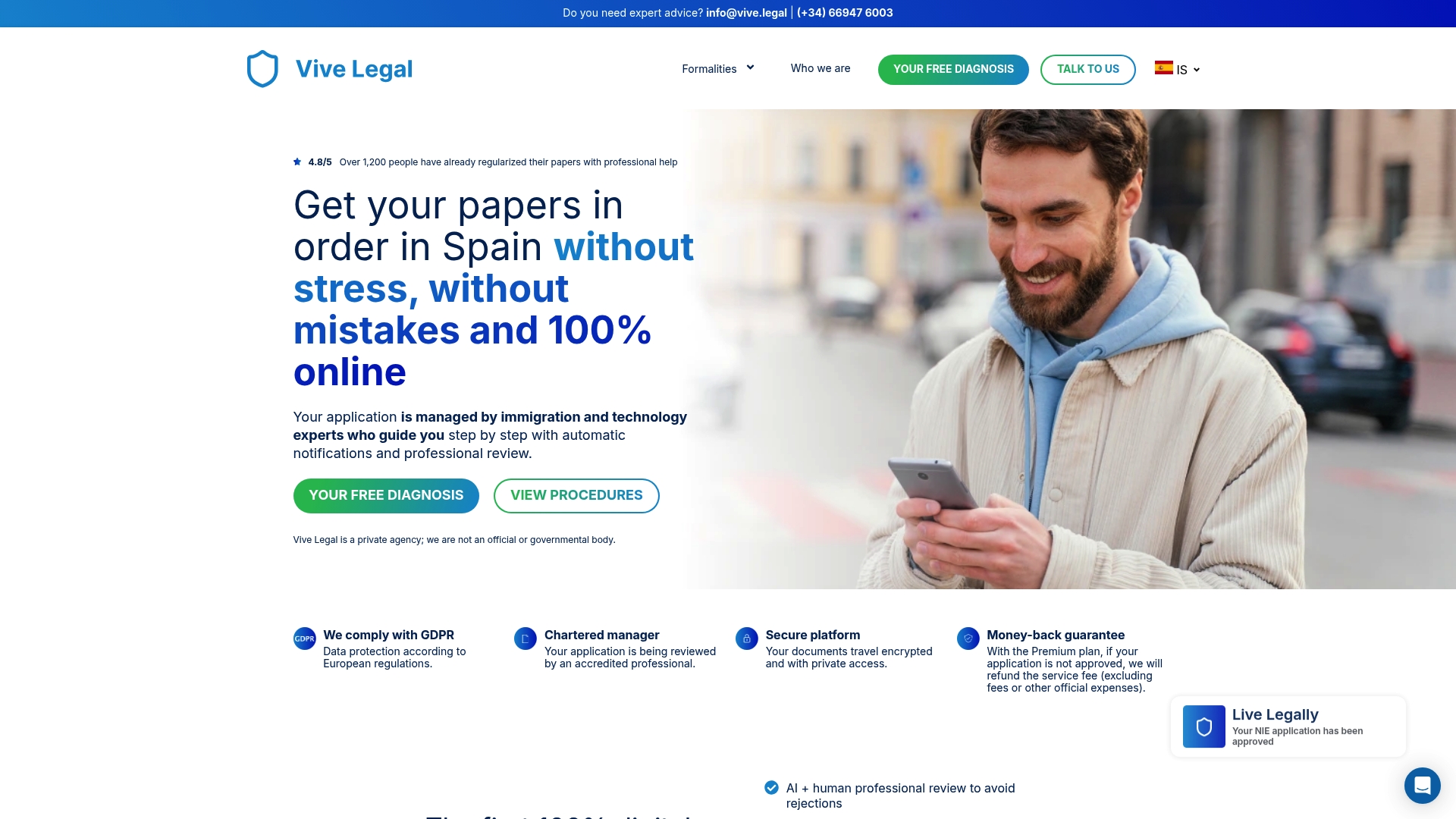
At Vive Legal, we simplify this complicated process by combining professional oversight with cutting-edge digital tools to track your case every step of the way. Our platform offers personalized diagnostics, document review, form preparation, and seamless appointment scheduling so you never miss a critical deadline. Whether you need help with a non-lucrative visa, work permit, or family reunification, our accredited experts make sure your application meets all legal requirements. Act now to avoid delays or costly mistakes and secure your residency status confidently. Visit Vive Legal and explore our Uncategorized Archives - Vive Legal for insights and start your smoother immigration journey today.
Frequently Asked Questions
What type of residency should I choose as an expatriate in Spain?
Choosing the right type of residency is crucial to avoid wasted time and money. Assess your situation and select between options like a non-lucrative visa, work visa, or digital nomad visa based on your employment status and income level.
How can I prepare my legal documents for a residency application in Spain?
Gather all required documentation and verify that they meet the specific criteria for your residency type. Ensure each document is apostilled and officially translated into Spanish before submission to avoid delays.
What should I do if I miss my residency renewal deadline?
Missing a renewal deadline does not automatically cancel your residency status, but it can lead to complications. Submit your renewal application as soon as possible and ensure you understand the grace period policies to remain compliant.
How can I stay updated on changes in residency laws in Spain?
Monitor official Spanish government websites and join online communities where expatriates share updates. Set a quarterly reminder to check for legal changes that may affect your residency application or renewal process.
When should I seek legal help for my residency application in Spain?
Consider hiring an accredited immigration lawyer if your situation involves complexities such as family reunification or a rejected application. Their expertise can increase your chances of approval and help you navigate the nuances of residency laws efficiently.
Recommended
Living legally in Spain shouldn't be difficult.
View services and pricesNot sure which procedure you need? Find out in 2 min
Questions? Message us on WhatsApp