
7 Key Types of Residency Permits in Spain Explained
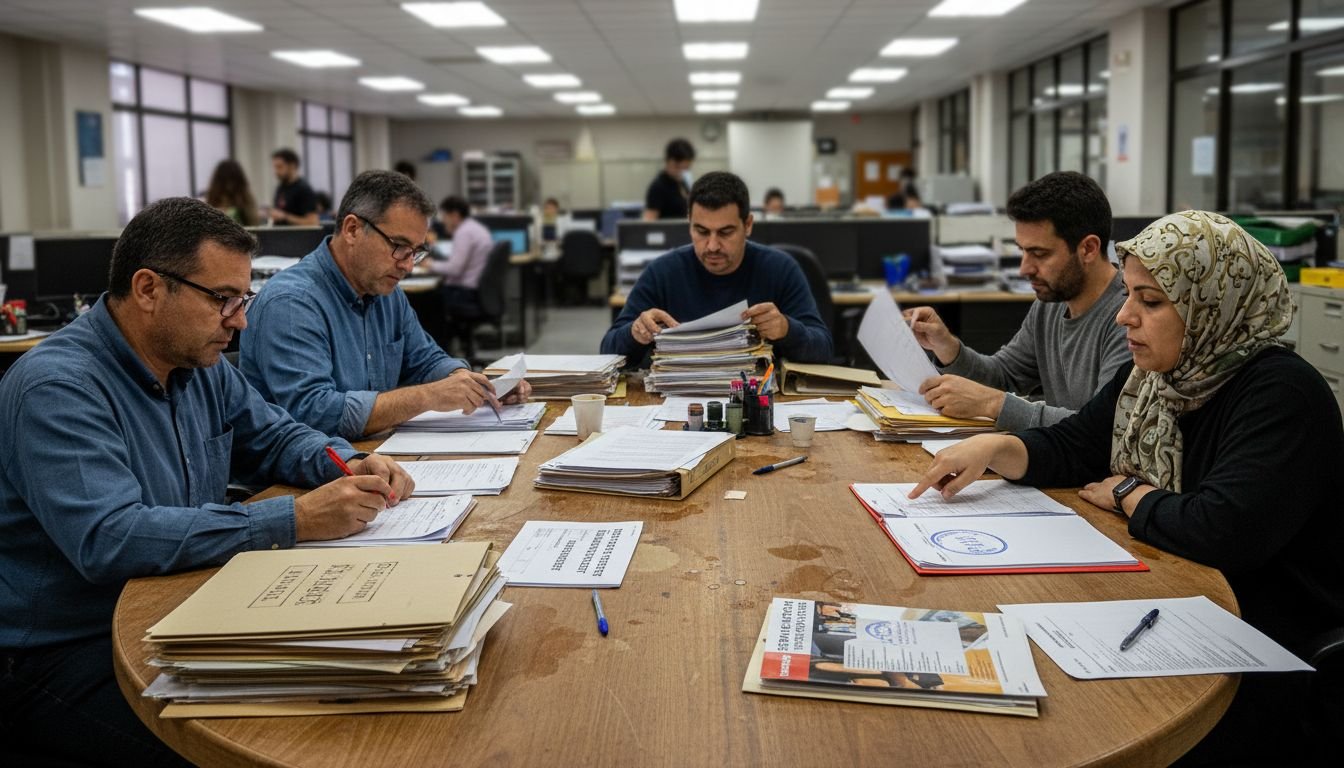
Figuring out how to live, work, or study legally in Spain can leave you overwhelmed by paperwork and new rules, especially if you are unfamiliar with Spanish bureaucracy. Each type of residency permit comes with its own process and requirements, and mistakes can cause delays that disrupt your plans.
This guide gives you clear, practical steps for every major Spanish residency pathway. You will find out exactly which documents you need, what each permit unlocks, and how to avoid common setbacks.
Living legally in Spain shouldn't be difficult.
View services and pricesNot sure which procedure you need? Find out in 2 min
Questions? Message us on WhatsApp
By discovering the key differences between options like the NIE, TIE, work permits, and non-lucrative visas, you will feel more confident and prepared to secure your spot in Spain. Get ready to uncover actionable insights that simplify your move and help you settle in faster.
Table of Contents
- Understanding The NIE And TIE Residency Documents
- EU Citizen Registration: Requirements And Benefits
- Work Residency Permits: Options For Foreign Workers
- Student Residency Permits: Eligibility And Process
- Arraigo Permits: Regularizing Status Through Roots
- Non-Lucrative Permits: Living In Spain Without Work
- Renewal And Change Of Residency Permits
Quick Summary
| Takeaway | Explanation |
|---|---|
| 1. Start application processes early | Initiate your NIE, TIE, or residency application as soon as possible to avoid legal complications and ensure timely processing. |
| 2. Understand specific requirements for EU and non-EU citizens | EU nationals generally have simpler procedures, while non-EU citizens must follow stricter regulations to obtain residency. |
| 3. Gather necessary documentation in advance | Collect all required documents, like proof of employment or financial means, well before application deadlines to streamline the process. |
| 4. Stay informed about renewal timelines | Begin the renewal process 60 days before expiry and maintain awareness of deadlines to prevent loss of residency status. |
| 5. Utilize social connections for Arraigo permits | Building relationships within Spanish society can strengthen your Arraigo permit application and facilitate regularization of your residency status. |
1. Understanding the NIE and TIE Residency Documents
Navigating Spain’s immigration system requires understanding two critical identification documents: the NIE and TIE. These documents are essential for any foreign national planning to stay in Spain for an extended period.
The NIE (Número de Identidad de Extranjero) is a unique identification number assigned to foreign residents. It serves multiple crucial purposes:
- Enables legal employment in Spain
- Required for opening bank accounts
- Necessary for signing rental agreements
- Essential for tax registration
Non-EU nationals must obtain a TIE (Tarjeta de Identidad de Extranjero), which is a physical residence permit card that includes their NIE number. This card provides official proof of legal residence and allows travel within the European Union.
The TIE is more than just an ID card - it’s your official gateway to living and working legally in Spain.
EU nationals have a slightly different process. They must register for an NIE through a police appointment, while non-EU nationals need to apply for a TIE within one month of arriving in Spain.
Key differences between NIE and TIE include:
- NIE is a number
- TIE is a physical card
- NIE applies to EU nationals
- TIE is required for non-EU nationals
Pro tip: Always start the NIE or TIE application process as early as possible to avoid potential legal complications with your residency status.
2. EU Citizen Registration: Requirements and Benefits
Moving to Spain as an EU citizen opens up a world of opportunities. Understanding the registration process is key to unlocking your rights and benefits in this vibrant country.
EU citizenship provides a unique legal status that grants remarkable mobility rights across member states. In Spain, EU nationals enjoy significant privileges that extend far beyond simple residency.
Your EU citizenship is your passport to a seamless Spanish living experience.
To register as a resident in Spain, EU citizens must meet specific requirements when staying longer than three months:
- Proof of employment or self-employment
- Sufficient financial resources
- Comprehensive health insurance coverage
- Valid identification document
Key Benefits of EU Citizen Registration:
- Access to Spanish healthcare system
- Right to work without additional permits
- Social security enrollment
- Educational opportunities
- Banking and financial services access
The registration process involves obtaining a Certificado de Registro, which officially recognizes your residency status. This document is crucial for accessing various social and economic rights within Spain.
Pro tip: Gather all required documentation before arriving in Spain and schedule your registration appointment early to ensure a smooth transition.
3. Work Residency Permits: Options for Foreign Workers
Navigating Spain’s work permit landscape can be complex for international professionals. Understanding the available pathways is crucial for securing legal employment and residency.
Spain offers multiple work permit options for foreign nationals, designed to accommodate diverse professional backgrounds and employment scenarios.
Your work permit is your gateway to professional opportunities in Spain.
Work Permit Categories:
- General Work Permit
- Highly Skilled Professional Visa
- Entrepreneur Visa
- Intra-Company Transfer Permit
- Seasonal Worker Permit
Each permit type has specific requirements and documentation:
- Proof of job offer from Spanish employer
- Validated professional qualifications
- Demonstrated financial stability
- Comprehensive health insurance
- Clean criminal record
Non-EU nationals must typically secure employer sponsorship. The process involves multiple steps:
- Initial job offer
- Work permit application
- Visa processing
- Residency card issuance
Key Documentation Needed:
- Valid passport
- Employment contract
- Educational credentials
- Professional certification
- Proof of financial means
Pro tip: Start gathering required documents early and ensure all translations are certified to expedite your work permit application process.
4. Student Residency Permits: Eligibility and Process
Pursuing education in Spain requires understanding the intricacies of student residency permits. International students must navigate a specific legal pathway to study legally in the country.
Students planning to stay longer than 90 days need to complete a comprehensive visa application before arriving in Spain. The process involves multiple critical steps and documentation requirements.
Your student residency permit is your official gateway to academic opportunities in Spain.
Key Eligibility Requirements:
- Enrollment in an accredited educational institution
- Proof of sufficient financial resources
- Comprehensive health insurance coverage
- Valid passport
- Academic acceptance letter
The application process differs for EU and non-EU students:
- EU Students
- Obtain NIE number
- Register with local authorities
- Provide proof of enrollment
- Non-EU Students
- Apply for student visa
- Submit extensive documentation
- Attend in-person appointments
- Complete biometric registration
Documentation Checklist:
- Passport with minimum 6 months validity
- University acceptance letter
- Proof of financial means
- Health insurance certificate
- Criminal background check
- Passport-sized photographs
Important Timelines:
- Application submission: 3-4 months before study start
- TIE card collection: Within 30 days of arrival
- Permit renewal: Annually with updated enrollment proof
Pro tip: Start your residency permit application process at least four months before your planned arrival to ensure smooth processing and avoid potential delays.
5. Arraigo Permits: Regularizing Status Through Roots
For foreign nationals living in Spain with irregular immigration status, Arraigo permits offer a lifeline to legal residency. These unique permits provide a pathway to regularize your situation based on established social and personal connections.
Arraigo permits create legal residency options for individuals who have developed significant ties within Spanish society.
Your roots in Spain can become your legal foundation.
Arraigo Permit Types:
- Arraigo Social
- Arraigo Socio-Laboral
- Arraigo Socio-Formativo
- Arraigo Familiar
- Second Chance Arraigo
Common Requirements:
- Continuous residence in Spain (typically 2-3 years)
- Clean criminal record
- Proof of social integration
- Employment or family connections
- Spanish language proficiency
Key Documentation Needed:
- Proof of residence
- Employment contracts
- Social integration certificates
- Criminal background check
- Passport and identification documents
Arraigo Social Specifics:
- Requires demonstrated social roots
- Minimum 3-year continuous residence
- Recommendation from local authorities
- Evidence of community involvement
Initial Permit Details:
- First permit valid for one year
- Work authorization included
- Renewable with continued compliance
- Pathway to permanent residency
Pro tip: Begin gathering documentation and building social connections early to strengthen your Arraigo permit application.
6. Non-Lucrative Permits: Living in Spain Without Work
For those dreaming of experiencing Spanish life without pursuing employment, the Non-Lucrative Visa offers an ideal solution. This unique residency permit allows individuals to reside in Spain without engaging in professional work activities.
Non-Lucrative Visas provide flexible residency options for individuals with substantial financial resources.
Your financial independence can be your ticket to Spanish living.
Key Eligibility Requirements:
- Sufficient financial means
- Comprehensive health insurance
- Clean criminal record
- No intention to work in Spain
- Valid passport
Financial Proof Criteria:
- Minimum income requirement (400% IPREM)
- Bank statements demonstrating financial stability
- Verifiable passive income sources
- Investment portfolio documentation
Visa Duration and Renewal:
- Initial permit valid for one year
- Renewable up to five years
- Pathway to permanent residency
- Family members can be included
Required Documentation:
- Proof of financial resources
- Private health insurance certificate
- Criminal background check
- Medical certificate
- Passport photographs
- Completed application forms
Application Process:
- Submit documents to Spanish consulate
- Attend personal interview
- Provide original and translated documents
- Pay required application fees
- Wait for administrative processing
Pro tip: Begin preparing your financial documentation at least six months before your planned application to ensure a smooth and successful Non-Lucrative Visa process.
7. Renewal and Change of Residency Permits
Maintaining legal status in Spain requires understanding the nuanced processes of residency permit renewal and modification. Each permit type comes with specific requirements and strategic timelines for maintaining your legal residence.
Residency permit renewals demand precise timing and careful documentation management.
Your residency status is a living document that requires constant attention.
Renewal Timing Windows:
- Standard renewal period: 60 days before expiration
- Grace period: 90 days after expiration
- Early application recommended
- Late applications risk legal complications
Key Renewal Requirements:
- Proof of continued eligibility
- Updated supporting documents
- Payment of renewal fees
- Biometric data re-validation
- Clean criminal record
Changing Permit Types:
- Requires new application
- Meeting specific category criteria
- Comprehensive documentation
- Administrative processing fees
Common Renewal Documentation:
- Original residency permit
- Valid passport
- Proof of income
- Health insurance certificate
- Employment or study verification
- Updated background check
Potential Complications:
- Missed renewal deadlines
- Incomplete documentation
- Changes in personal circumstances
- Insufficient financial proof
Pro tip: Begin gathering renewal documents at least four months before expiration to ensure a smooth and stress-free application process.
Below is a comprehensive table summarizing the key points and processes related to residency documents and permits in Spain, as discussed in the article.
| Topic | Key Details | Key Actions or Requirements |
|---|---|---|
| NIE (Número de Identidad de Extranjero) | Unique identification number for foreign residents in Spain. | Necessary for employment, banking, rentals, and tax registration. |
| TIE (Tarjeta de Identidad de Extranjero) | Physical residence card for Non-EU nationals. | Apply within one month of arrival in Spain. Recognized legal residency proof. |
| EU Citizen Registration | Process for EU citizens staying longer than three months. | Provide proof of employment or financial stability, health insurance, and identification. Obtain Certificado de Registro. |
| Work Residency Permits | Pathways for foreign nationals to work in Spain. | Secure employer sponsorship, submit necessary documents, fulfill professional requirements. |
| Student Residency Permits | Residency approval for international students. | Proof of enrollment in accredited institutions, financial resources, insurance, and legal documentation. |
| Arraigo Permits | Regularize residency based on social or family relationships. | Demonstrate social roots, clean record, and integration evidence after years of residence. |
| Non-Lucrative Permits | Residency without work pursuits. | Financial independence proof, health insurance, and no work commitments. Applicable to retirees and investors. |
Simplify Your Path to Residency in Spain with Expert Support
Navigating through the complexities of the various residency permits in Spain can feel overwhelming. Whether you are applying for a NIE, TIE, EU registration, or an Arraigo permit, understanding each unique requirement is key. Common challenges include managing strict documentation, meeting deadlines, and avoiding legal complications that could delay or jeopardize your residency status.
At Vive Legal, we recognize these struggles and offer a streamlined online legal consultancy dedicated to making your residency journey clear and stress-free. Our platform combines professional expertise with smart automation to handle personalized diagnostics, document review, and appointment scheduling securely. You do not have to navigate Spain’s immigration system alone. Take control now by visiting Vive Legal and exploring our Uncategorized Archives - Vive Legal for comprehensive guidance. Begin your residency process with confidence and let us help you turn your aspirations into legal reality today.
Frequently Asked Questions
What is the difference between the NIE and TIE residency documents?
The NIE (Número de Identidad de Extranjero) is a unique identification number for foreign residents, while the TIE (Tarjeta de Identidad de Extranjero) is a physical residence permit card issued to non-EU nationals. To apply for the TIE, ensure you submit the necessary documents within one month of arriving in Spain.
How can EU citizens register for residency in Spain?
EU citizens can register for residency by obtaining a Certificado de Registro, which involves proving employment, financial resources, and health insurance coverage. Prepare your documents and schedule your registration appointment as soon as possible to streamline the process.
What are the requirements for a work permit in Spain?
To obtain a work permit, you typically need a job offer from a Spanish employer and documentation that validates your qualifications. Start gathering necessary documents like your employment contract and educational credentials to facilitate your application.
What do international students need to apply for a student residency permit?
International students must provide proof of enrollment in an accredited institution, financial resources, and health insurance coverage. Compile all required documents and begin your application at least four months before your intended arrival in Spain.
How do I renew my residency permit in Spain?
Renew your residency permit within 60 days before it expires, ensuring you have up-to-date documentation and meet eligibility criteria. Organize your renewal application early to avoid any legal complications due to missed deadlines.
What is the process for applying for a Non-Lucrative Visa in Spain?
To apply for a Non-Lucrative Visa, demonstrate sufficient financial means, valid health insurance, and a clean criminal record. Begin preparing your financial documentation at least six months prior to your application to ensure a smooth process.
Recommended
Living legally in Spain shouldn't be difficult.
View services and pricesNot sure which procedure you need? Find out in 2 min
Questions? Message us on WhatsApp