
Why use legal consultancy for Spanish immigration success

TL;DR:
- Spanish immigration processes are complex and prone to costly mistakes without expert guidance.
- Legal consultancies streamline applications, reduce rejection risk, and speed up approval times.
- Understanding the differences between NIE, TIE, and DNI is crucial for efficient residency procedures.
Moving to Spain should feel exciting, not like a bureaucratic obstacle course. Yet thousands of expats discover too late that a single wrong form or a missed payment can delay their entire life in Spain by months. The NIE and TIE processes look straightforward on paper, but Spain’s immigration system is layered with procedural rules that trip up even experienced professionals. This guide breaks down exactly why working with a legal consultancy is one of the smartest decisions you can make when navigating Spanish residency paperwork, and what happens when you try to go it alone.
Living legally in Spain shouldn't be difficult.
View services and pricesNot sure which procedure you need? Find out in 2 min
Questions? Message us on WhatsApp
Table of Contents
- The real cost of DIY: Common mistakes and delays
- What legal consultancies actually do (and why it matters)
- Understanding NIE, TIE, and DNI: Getting it right
- Faster integration: How the right help accelerates your new life
- Our take: Legal consultancies aren’t a luxury—they’re a lifeline for expats
- How Vive Legal can support your Spanish immigration journey
- Frequently asked questions
Key Takeaways
| Point | Details |
|---|---|
| Avoid costly mistakes | Legal consultancies drastically reduce the risk of rejected paperwork and wasted time. |
| Navigate Spanish bureaucracy | Experts handle confusing NIE/TIE processes, translating requirements and booking appointments for you. |
| Faster integration | With proper documents, expats can start work, open accounts, and sign leases with less stress. |
| Clarity on ID types | Professional guidance helps you secure exactly the identification you need—no more, no less. |
The real cost of DIY: Common mistakes and delays
With so many hurdles, why do mistakes happen so often? The answer is simpler than you’d expect. Spanish immigration forms are written in dense administrative language, and the requirements shift depending on your nationality, residency status, and the specific permit you’re chasing. Even fluent Spanish speakers get confused by the bureaucratic phrasing.
The most common DIY errors include:
- Submitting the wrong form (EX-15 instead of EX-17 or EX-18, depending on your situation)
- Missing the Modelo 790 tax payment before your appointment
- Arriving without apostilled documents or certified translations
- Booking the wrong appointment type at the Extranjería office
- Confusing NIE applications with TIE applications entirely
These aren’t minor slip-ups. Each one can result in your appointment being cancelled, your application being rejected outright, or weeks of waiting for a new slot. Over 40% of British and American expats submit incorrect paperwork for residency processes like NIE and TIE due to ID confusion, and fixing those errors reduces procedural hurdles by 78%.
“The number of rejections we see from DIY attempts isn’t surprising anymore. What surprises people is how avoidable those rejections are. One missing apostille, one wrong form code, and months of planning unravel overnight.” — Immigration legal specialist
Beyond the emotional toll, there’s a real financial cost. You’ve already paid for flights, deposits, and possibly a lease. A rejected application means rebooking appointments, reprinting documents, and potentially restarting the entire process. DIY applications are frequently rejected for procedural errors like wrong appointment types and missing apostilles, while consultants handle precision and manage appeals when things go sideways.
You can read more about each step involved in the NIE process steps to understand just how many checkpoints exist. If you’re transitioning from a student visa to a work permit, the student to worker process adds another layer of complexity. The immigration advice blog also covers real case examples that show how quickly things can go wrong.
What legal consultancies actually do (and why it matters)
Now, let’s see how consultancies overcome the exact pitfalls described above. The biggest misconception is that hiring a legal consultancy just means paying someone to fill out forms. In reality, it’s a completely different application experience.
| Step | DIY path | With a consultancy |
|---|---|---|
| Form selection | Research online, guess | Expert matches form to your case |
| Appointment booking | Weeks of refreshing cita previa | Managed remotely, often faster |
| Document review | Self-checked, high error risk | Professionally verified before submission |
| Payment processing | Easy to miss Modelo 790 | Handled and confirmed |
| Rejection handling | Start over alone | Consultant files appeal or resubmits |
Legal consultancies handle NIE and TIE applications remotely via Power of Attorney, which means you don’t have to physically appear at a government office for every step. This bypasses the notoriously long cita previa waits that can stretch weeks or even months in major cities like Madrid and Barcelona.
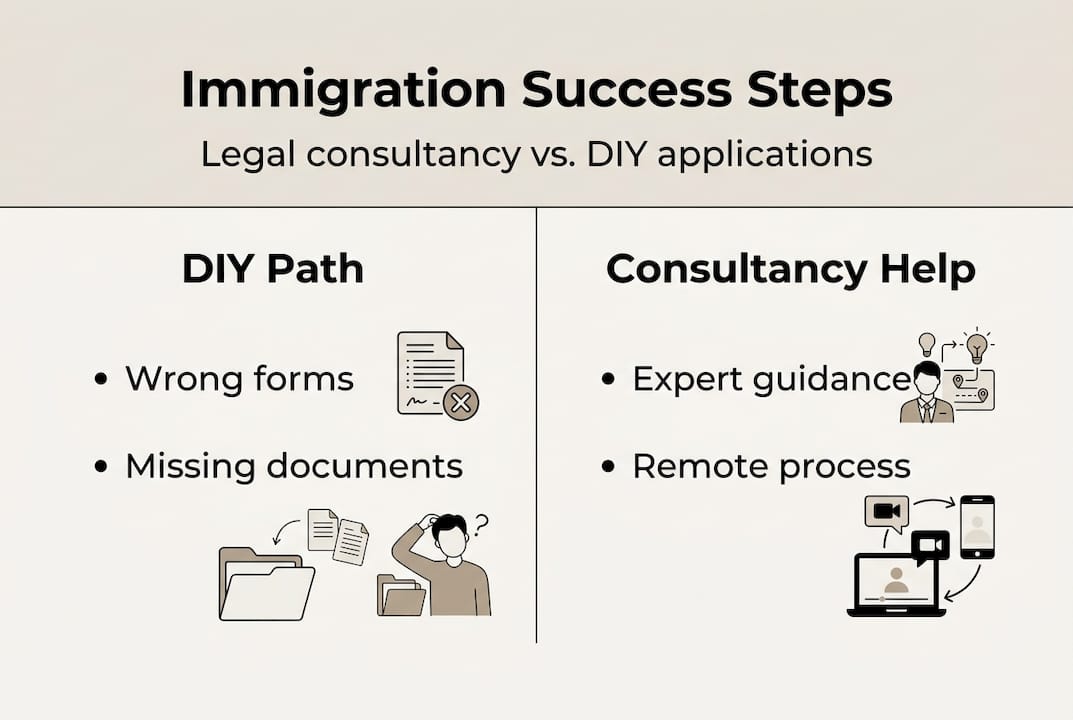
Power of Attorney is a legal authorization that lets your consultant act on your behalf. It’s a standard tool in Spanish immigration practice, and it dramatically cuts down the time between application and approval. You sign once, and the professional manages the rest.
Consultants also prevent rejections by ensuring the correct form is used, every supporting document is present, and the Modelo 790 payment is completed before the appointment. These are exactly the steps where DIY applicants fall apart.
Pro Tip: If you’re applying from abroad or can’t take time off work, ask your consultancy about remote Power of Attorney authorization. Many platforms, including those offering long-term EU residency help, handle this entirely online. You can also explore EU registration support if you’re an EU citizen establishing residency in Spain.
Understanding NIE, TIE, and DNI: Getting it right
Besides paperwork, understanding your true needs is essential. One of the most common sources of confusion for expats is not knowing which document they actually need, and applying for the wrong one wastes time and money.
Here’s a quick breakdown:
| Document | What it is | Who needs it |
|---|---|---|
| NIE | Foreigner ID number | Anyone doing legal/financial activity in Spain |
| TIE | Physical residency card | Non-EU residents staying over 90 days |
| DNI | Spanish national ID | Spanish citizens only |
The NIE (Número de Identidad de Extranjero) is a tax and identification number. You need it to open a bank account, sign a lease, or start a job. It’s not a card you carry. The TIE (Tarjeta de Identidad de Extranjero) is a physical card that proves your right to reside in Spain. These two are often confused, and applying for one when you need the other causes real delays.
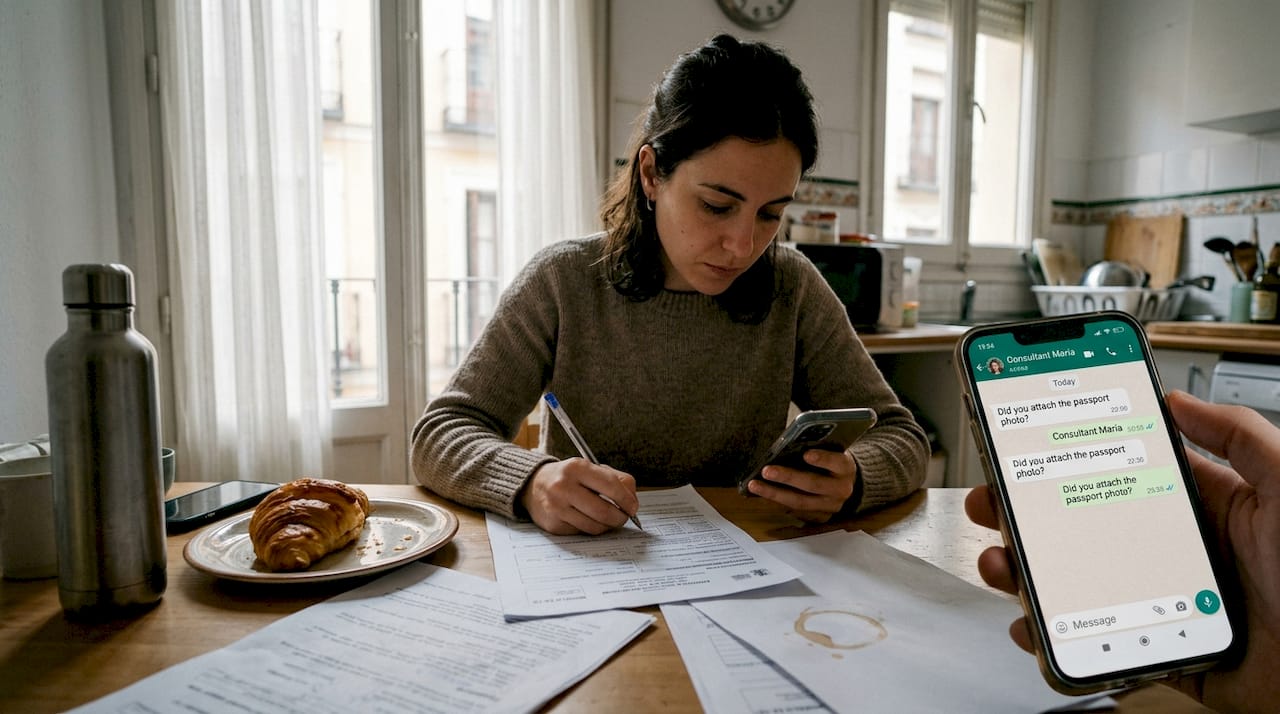
Non-residents need an NIE for property purchases or employment but don’t necessarily need a TIE, while long-term residents require both. Consultants clarify this distinction based on your specific situation.
Moments when professional guidance matters most:
- You’re buying property and need an NIE urgently
- You’ve been offered a job and need to start within weeks
- You’re unsure whether your visa type qualifies for a TIE
- You’re an EU citizen who needs to register but doesn’t know the process
- Your documents are in a language other than Spanish and need certified translation
Language barriers and unclear official instructions lead to errors that bilingual consultants prevent by walking you through each requirement in plain language. For more complex situations, services like arraigo social basics and EU family card support are available for those with unique residency circumstances.
Faster integration: How the right help accelerates your new life
Once you’ve got the right documents, here’s how expert support transforms your integration. Getting your NIE or TIE is not the finish line. It’s the starting gun. Without those documents in hand, you can’t do almost anything official in Spain.
NIE and TIE are required for all major transactions including banking, employment contracts, and property purchases. Errors in your application delay every one of these milestones, creating a cascade of problems that can take months to untangle.
Here’s what your integration timeline looks like with and without legal support:
- Arrive in Spain — With help: consultant begins your NIE application immediately. Without help: you research for days before booking the wrong appointment.
- Open a bank account — With help: NIE in hand within weeks. Without help: rejection, rebook, wait again.
- Sign a lease — With help: landlord receives your NIE on schedule. Without help: lease falls through while you wait.
- Start your job — With help: employer gets your tax number in time. Without help: HR delays your contract start date.
- Register with local authorities — With help: consultant guides empadronamiento process. Without help: another round of confusing forms.
Pro Tip: Don’t wait until you land to start your NIE application. Many consultancies can begin the process before you arrive in Spain, so your documents are ready when you need them. If you’re looking at finding work in Spain or navigating the internship residency process, starting early is especially critical.
Thousands of DIY applicants are rejected annually, while those working with legal professionals report significantly higher success rates. The difference isn’t luck. It’s preparation, precision, and professional oversight.
Our take: Legal consultancies aren’t a luxury—they’re a lifeline for expats
Now, let’s unpack what most guides won’t tell you about decision-making here. We’ve worked with clients who are lawyers, accountants, and even former government employees. Smart, organized people. And many of them still got their first NIE application wrong.
Spanish immigration bureaucracy isn’t hard because people are careless. It’s hard because the system wasn’t designed with foreign applicants in mind. The forms assume familiarity with Spanish administrative culture, the appointment system is opaque, and the rules change without much public notice.
You can absolutely try the DIY path. Some people succeed. But the clients who come to us after a failed attempt far outnumber those who got it right solo the first time. And the ones who came to us first? They’re already living their new life in Spain while others are still waiting for a second appointment.
The real value of a legal consultancy isn’t just avoiding rejection. It’s the months you don’t lose, the savings you don’t burn on rebooked flights and reprinted documents, and the mental energy you keep for actually building your life here. You can review real NIE cases and lessons or explore EU residence perspectives to see how this plays out in practice.
How Vive Legal can support your Spanish immigration journey
Ready to move forward with confidence rather than confusion? Vive Legal combines bilingual legal expertise, AI-assisted document review, and professional oversight to make your NIE, TIE, and residency applications as smooth as possible. Every case gets a personalized diagnostic, full document preparation, and real-time tracking through a secure client portal.
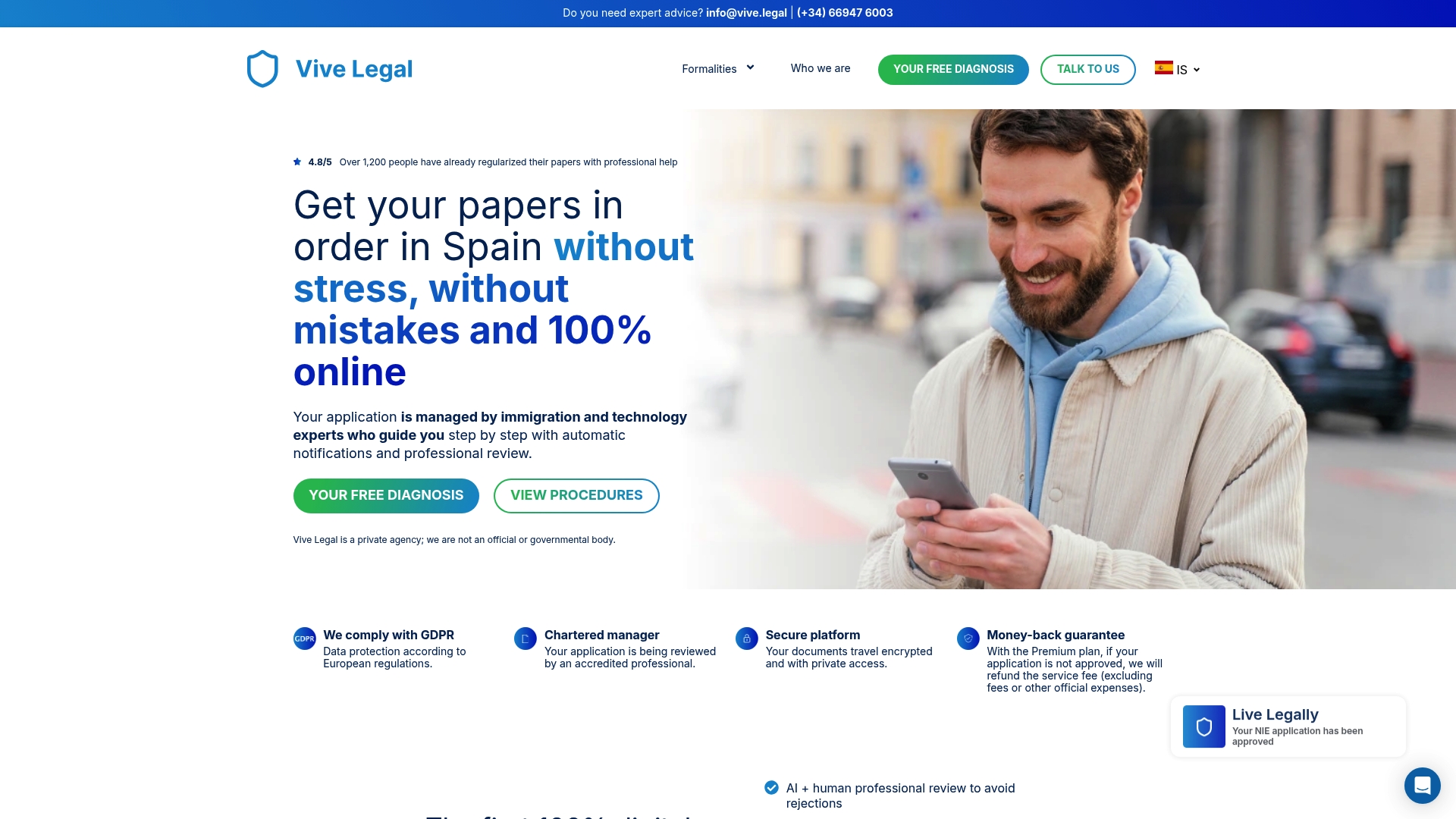
Whether you need TIE case management or are exploring regularization in Spain, our team handles the complexity so you can focus on settling in. No guesswork, no bureaucratic surprises. Just clear steps, expert support, and a platform built for expats who value their time.
Frequently asked questions
Do I need a legal consultancy to apply for an NIE or TIE in Spain?
You are not legally required to use one, but a legal consultancy significantly increases your approval chances and reduces delays caused by procedural errors.
What’s the main difference between NIE and TIE?
The NIE is your foreigner ID number used for financial and legal transactions, while the TIE is a physical card proving your right to reside in Spain long-term.
How long do NIE/TIE applications take with and without legal help?
Legal consultancies reduce waiting times from months to weeks by managing paperwork remotely and using Power of Attorney to bypass slow appointment queues.
What paperwork mistakes do expats most commonly make?
The most frequent errors are using wrong forms like EX-15 vs EX-17, skipping the Modelo 790 payment, and submitting documents without proper apostilles or certified translations.
Can a legal consultancy help if my NIE/TIE was already rejected?
Yes. Consultancies review your case, correct errors, and handle appeals or re-submissions, giving your application a much stronger chance the second time around.
Recommended
Living legally in Spain shouldn't be difficult.
View services and pricesNot sure which procedure you need? Find out in 2 min
Questions? Message us on WhatsApp